1. Why Daily Activity Matters
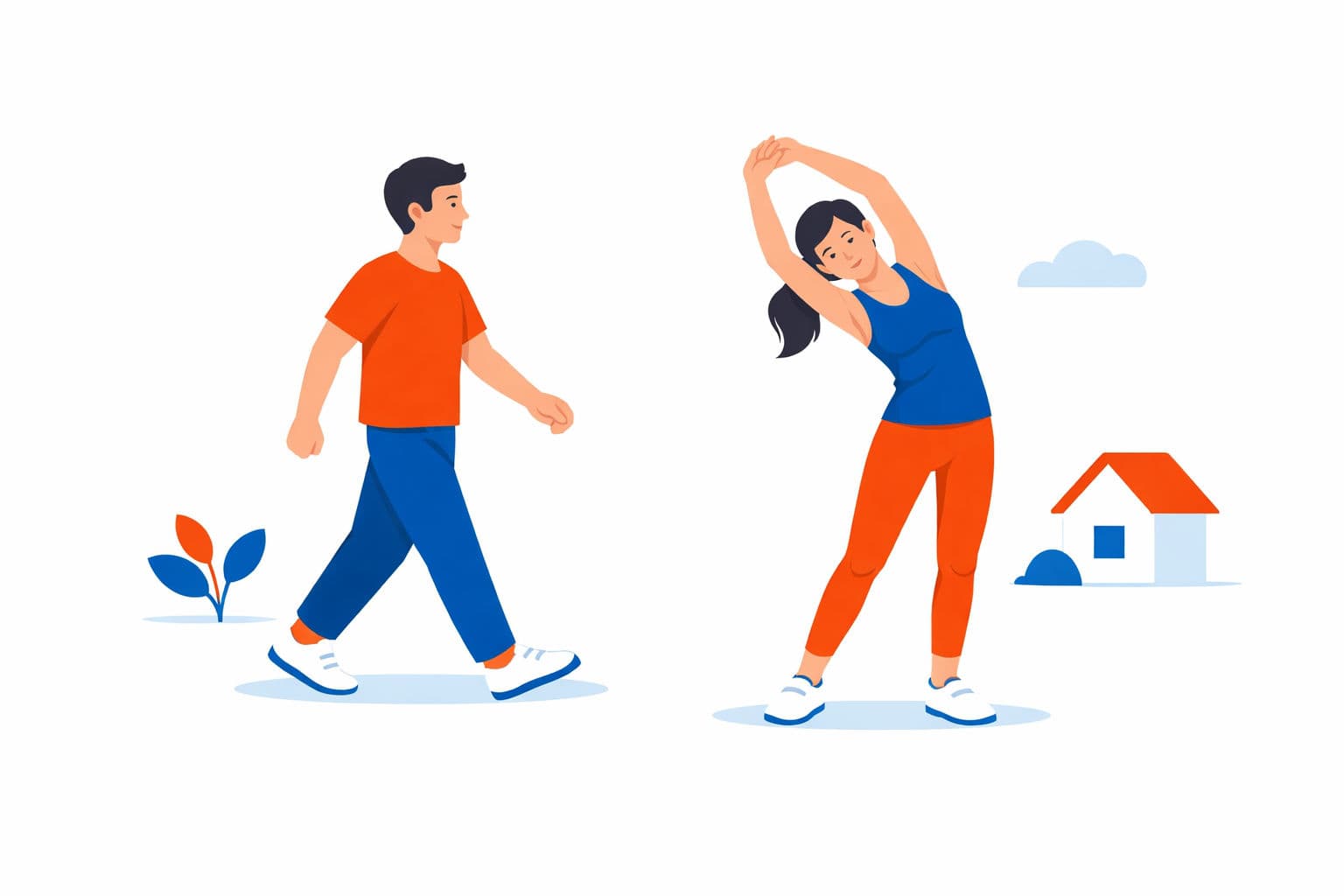
The human body is designed to move regularly. Daily movement keeps your muscles, joints, heart, and circulation active and responsive.
When movement is missing for long periods, the body can feel stiff, low on energy, or sluggish. Over time, inactivity can quietly affect posture, digestion, metabolism, and overall comfort.
Regular activity helps maintain healthy blood flow, supports joint mobility, and keeps the body functioning smoothly throughout the day.
Daily activity does not need to be intense. Small, consistent movement helps your body stay balanced, flexible, and energized over time.
When movement becomes a daily habit, your body adapts naturally, making everyday tasks feel easier and more comfortable.
2. Activity vs Exercise
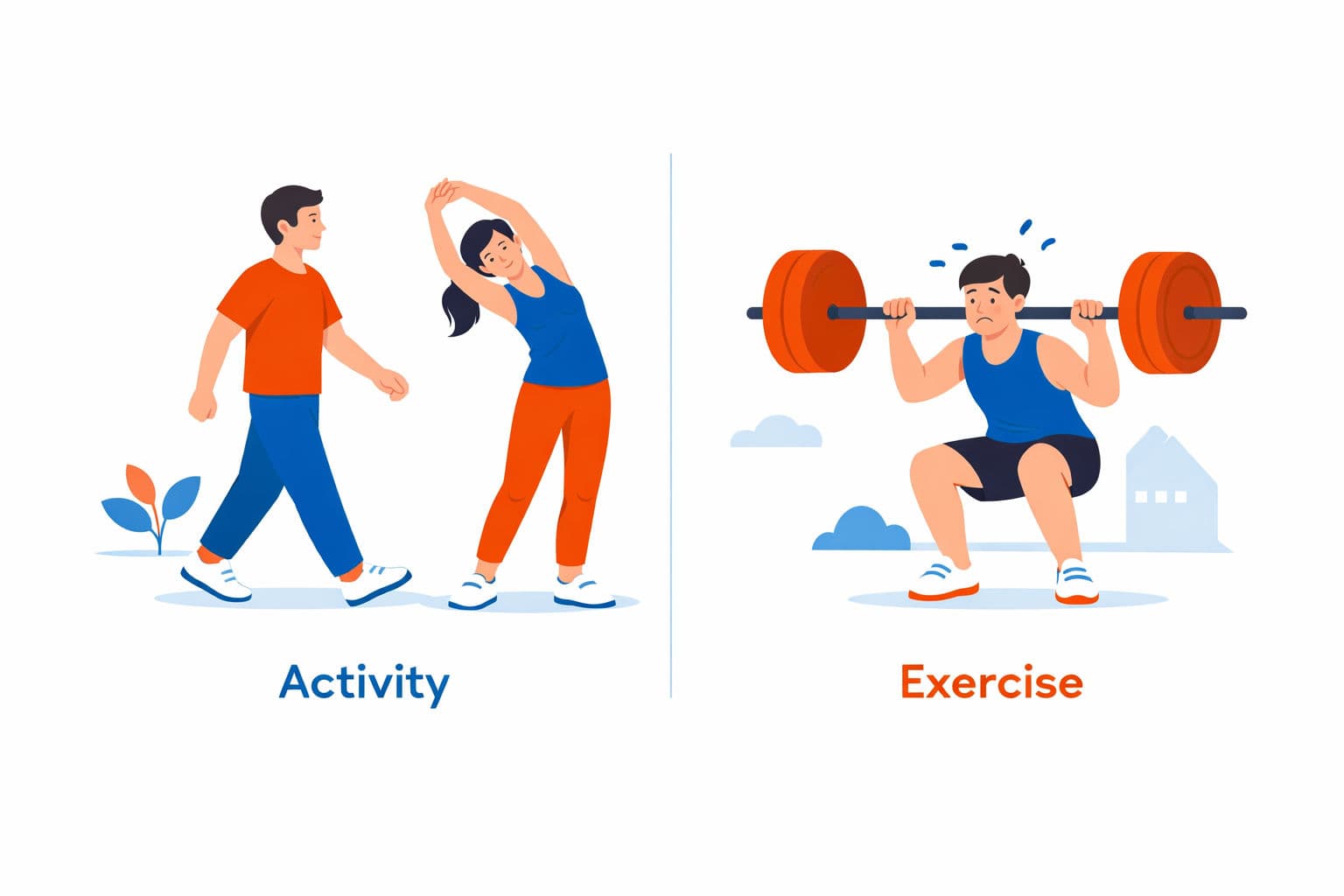
Activity and exercise are not the same, and understanding the difference helps remove unnecessary pressure.
Activity includes any movement you do during the day— walking, stretching, household tasks, casual play, or simply moving your body as part of daily life.
Exercise is structured, planned, and often more intense, such as gym workouts, training sessions, or high-effort routines.
ShiftBetter focuses on daily activity, not intense exercise. Regular movement fits naturally into real life and is easier to maintain over time.
Consistency matters more than intensity when building a healthy and sustainable movement habit.
3. Benefits of Regular Activity
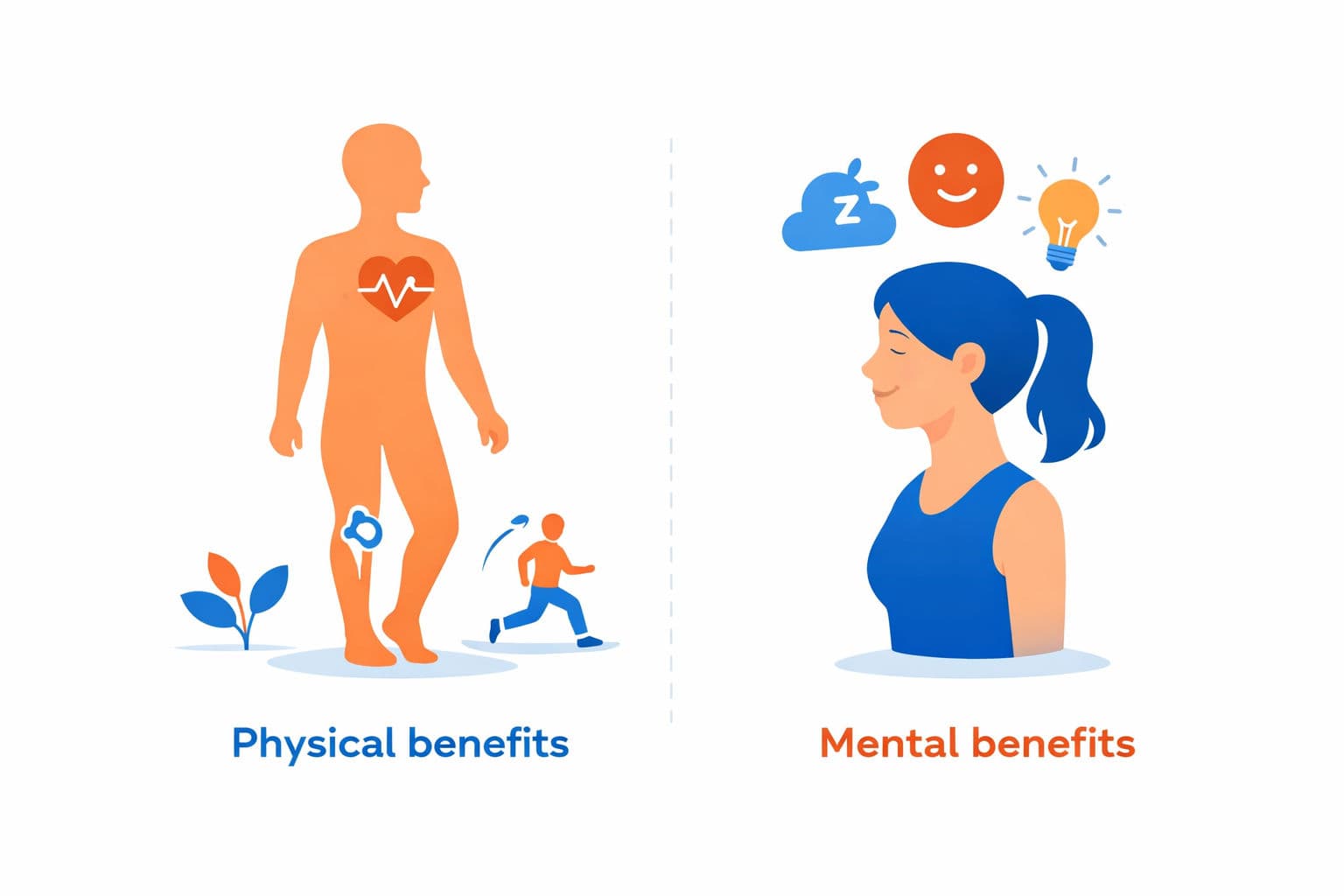
Regular activity supports your body and mind in simple but meaningful ways, even when the movement feels light or effortless.
Physical benefits include:
- Improved blood circulation
- Better joint mobility and flexibility
- Support for digestion and metabolism
- Improved posture and balance
Mental benefits include:
- Reduced stress
- Better mood stability
- Improved sleep quality
- Increased focus and clarity
Over time, daily movement helps your body feel more capable, resilient, and comfortable in everyday life.
4. How Much Activity Is Enough?
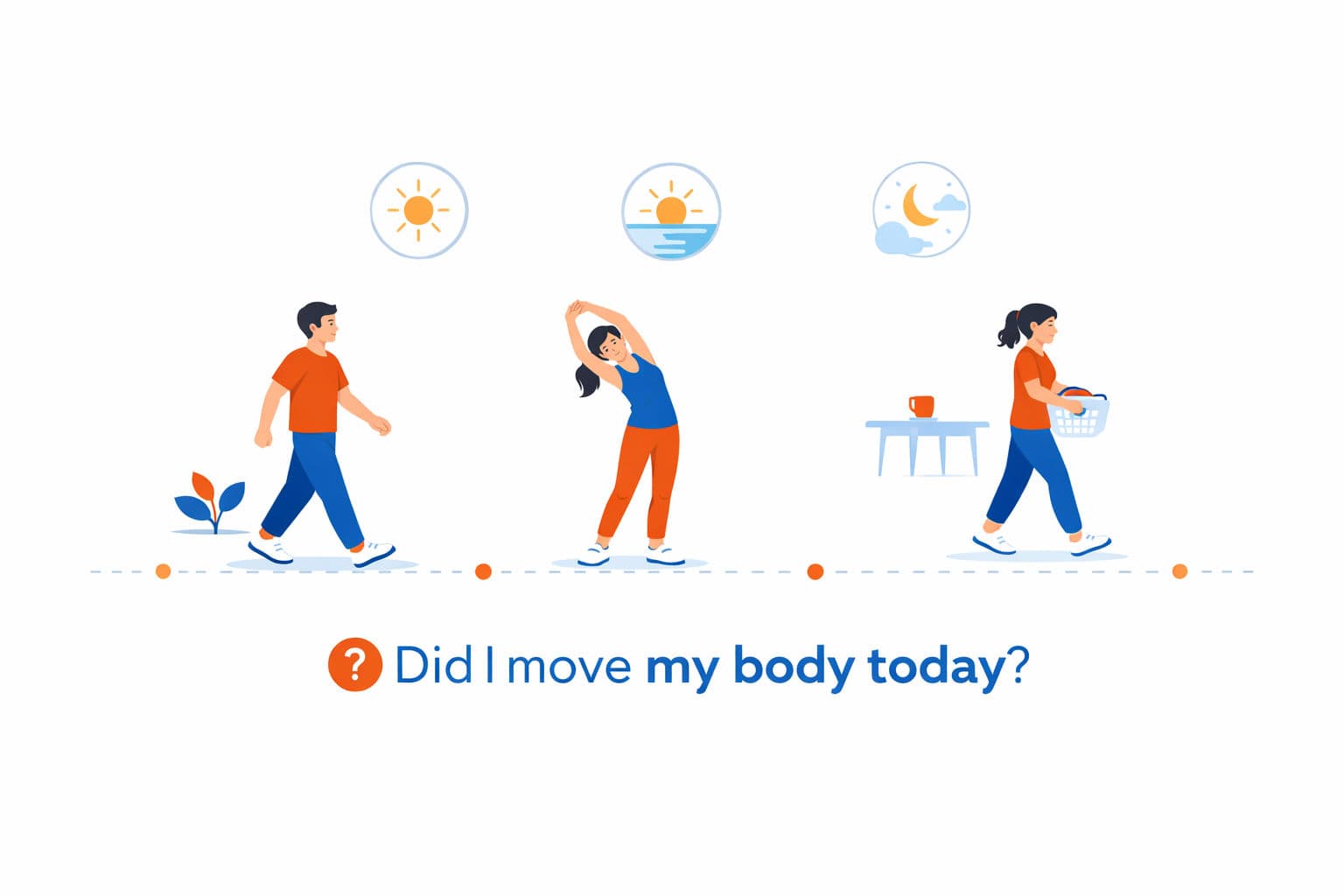
There is no single perfect amount of activity that works for everyone. Activity needs vary based on lifestyle, energy levels, and daily routines.
Even 10–20 minutes of light activity can be beneficial. Movement spread across the day is often more sustainable than long sessions done occasionally.
Short walks, gentle stretching, or small movement breaks all contribute to your daily activity in meaningful ways.
Instead of focusing on numbers or targets, a simple question works:
Did I move my body today?
5. Activities You Can Choose
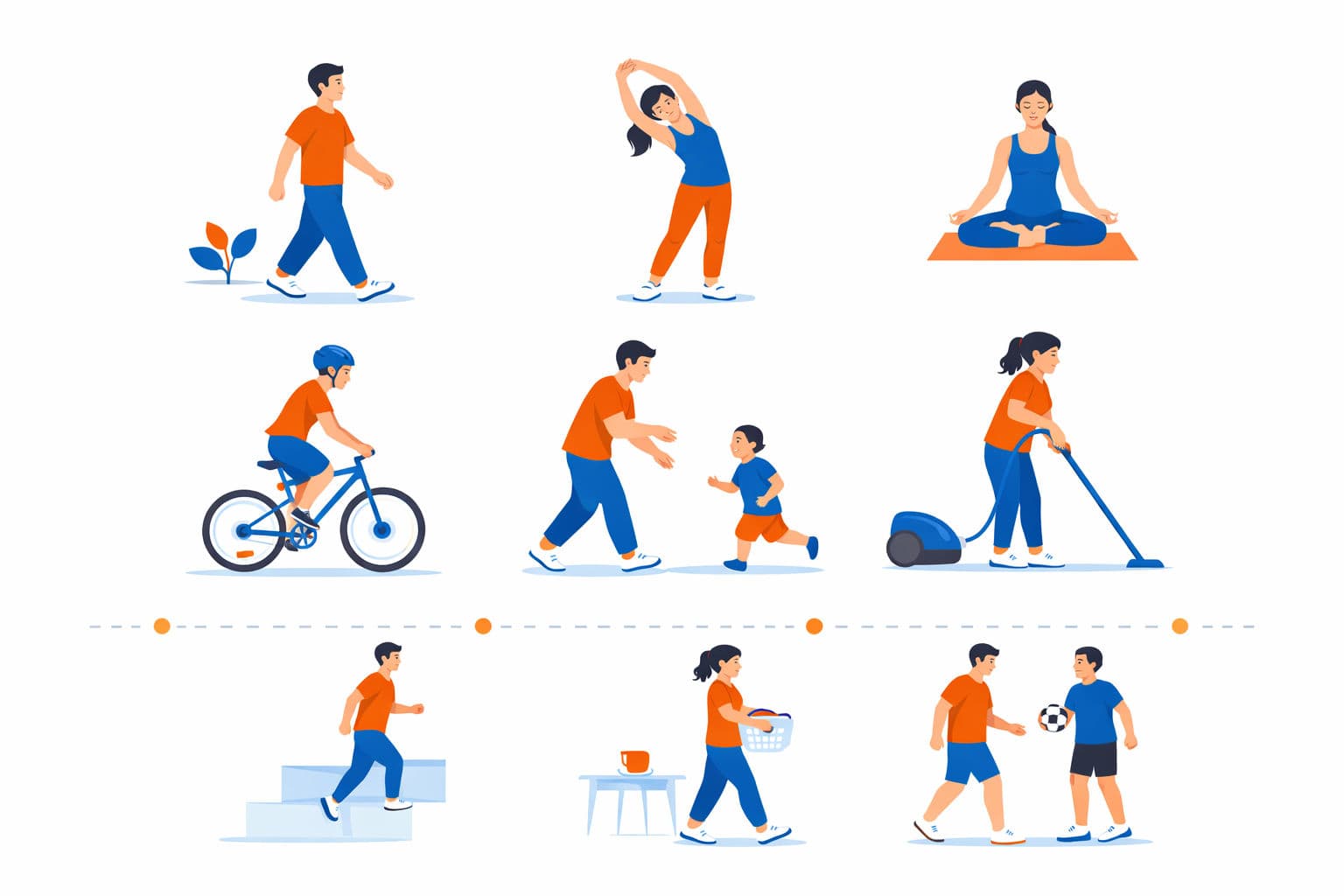
Activity can look different for everyone. The goal is to choose movements that feel natural, comfortable, and enjoyable.
Everyday movement counts just as much as planned activity. What matters is that it fits easily into your life.
Examples include:
- Walking
- Light jogging
- Stretching or mobility
- Yoga
- Cycling
- Playing with children
- Household chores
- Stair climbing
- Casual sports
The best activity is the one you can repeat comfortably and consistently, without pressure or exhaustion.
6. No Hard or Intense Activities Required
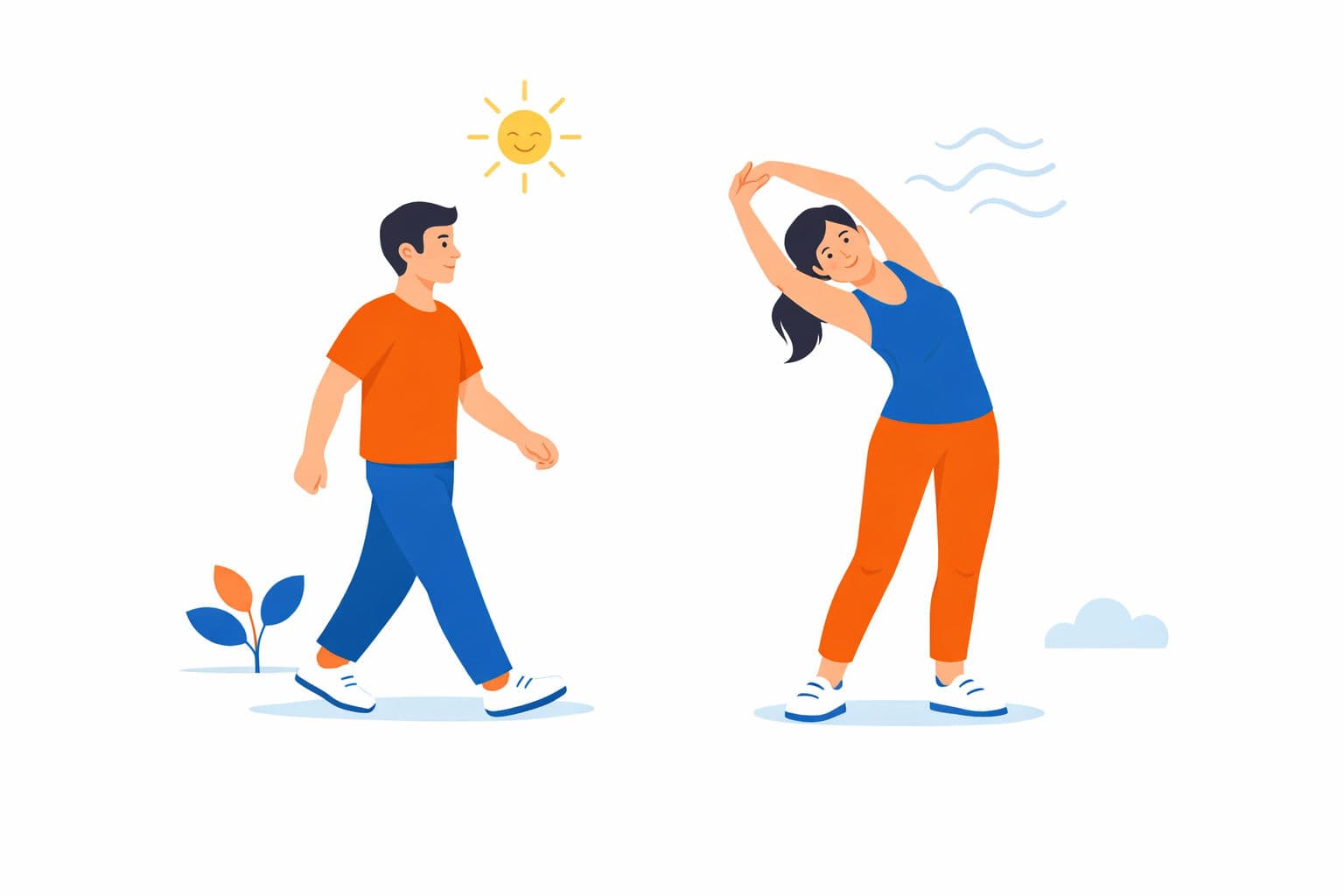
You do not need intense workouts, heavy training, or exhaustion to benefit from activity.
Daily movement should help you feel better, lighter, and more comfortable, not drained or pressured.
If an activity feels too difficult to repeat regularly, it is completely okay to choose something lighter.
Sustainability matters more than effort. Small, repeatable movement creates more progress over time than occasional intense sessions.
7. Activity and Energy Levels
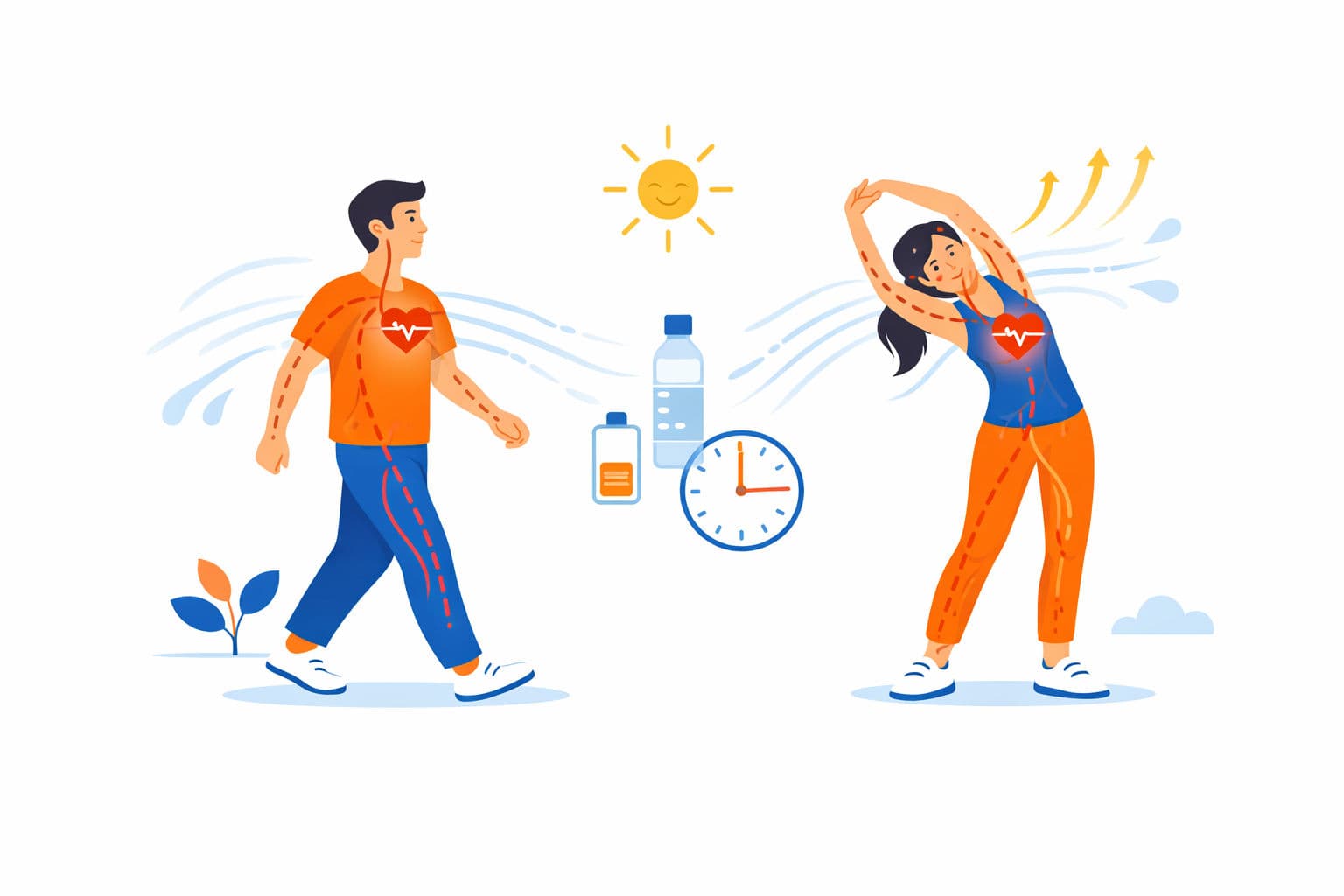
Light activity improves blood flow and oxygen delivery throughout the body, helping your systems work more efficiently.
This can help reduce stiffness, improve alertness, and prevent energy dips during the day, especially during long periods of sitting.
Regular movement also complements fasting and hydration by supporting metabolism, digestion, and overall energy balance.
Even gentle movement can help your body feel more awake, steady, and comfortable as the day progresses.
8. Building a Daily Activity Habit
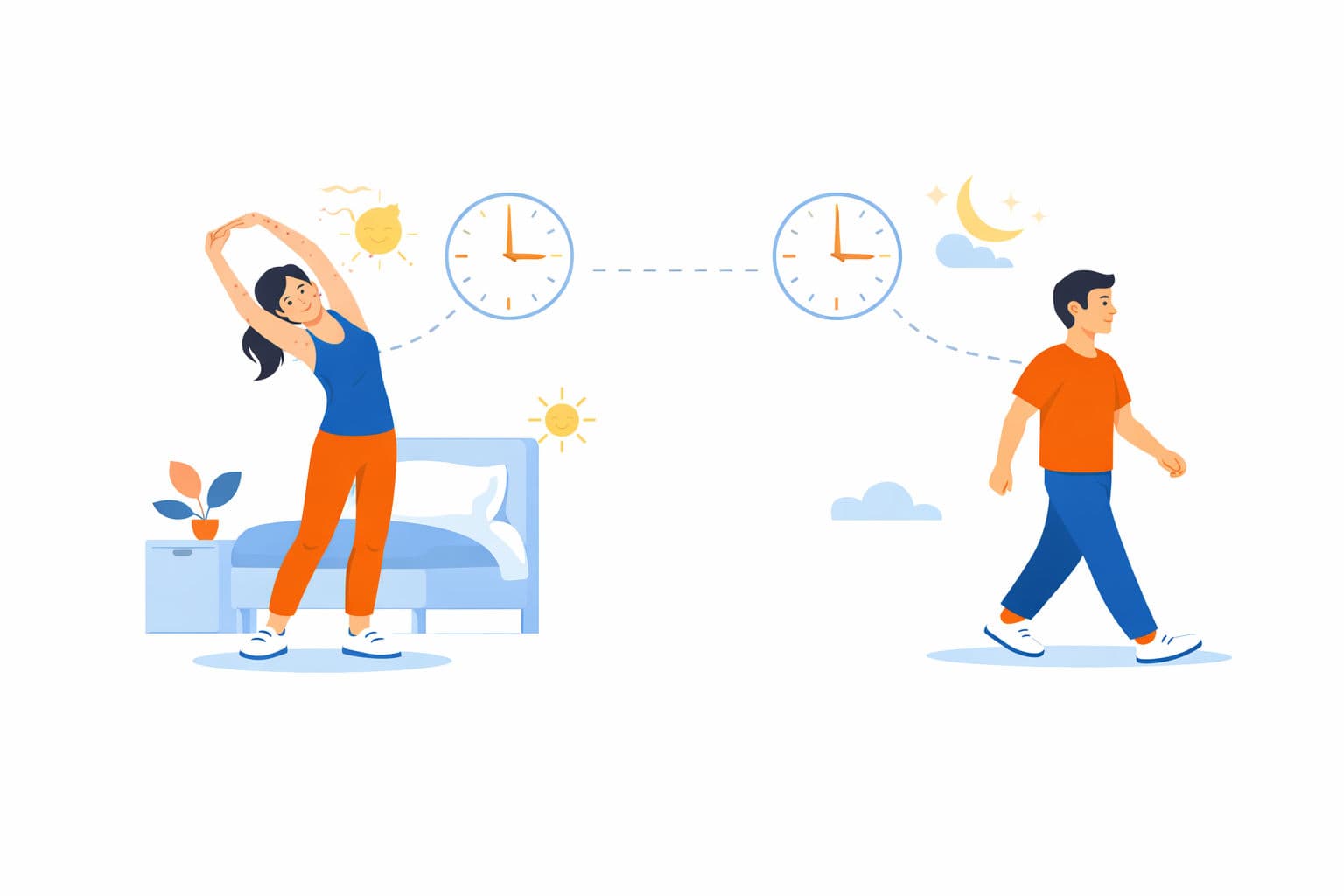
Daily activity becomes easier when it is built into your regular routine, rather than relying on motivation.
Linking movement to existing habits makes activity feel natural and effortless over time.
Helpful strategies:
- Walk after meals
- Stretch after waking up
- Take short movement breaks during long sitting periods
- Choose a similar time each day
Missing a day is normal and does not undo progress. What matters is returning to movement without guilt or pressure.
9. Common Activity Myths
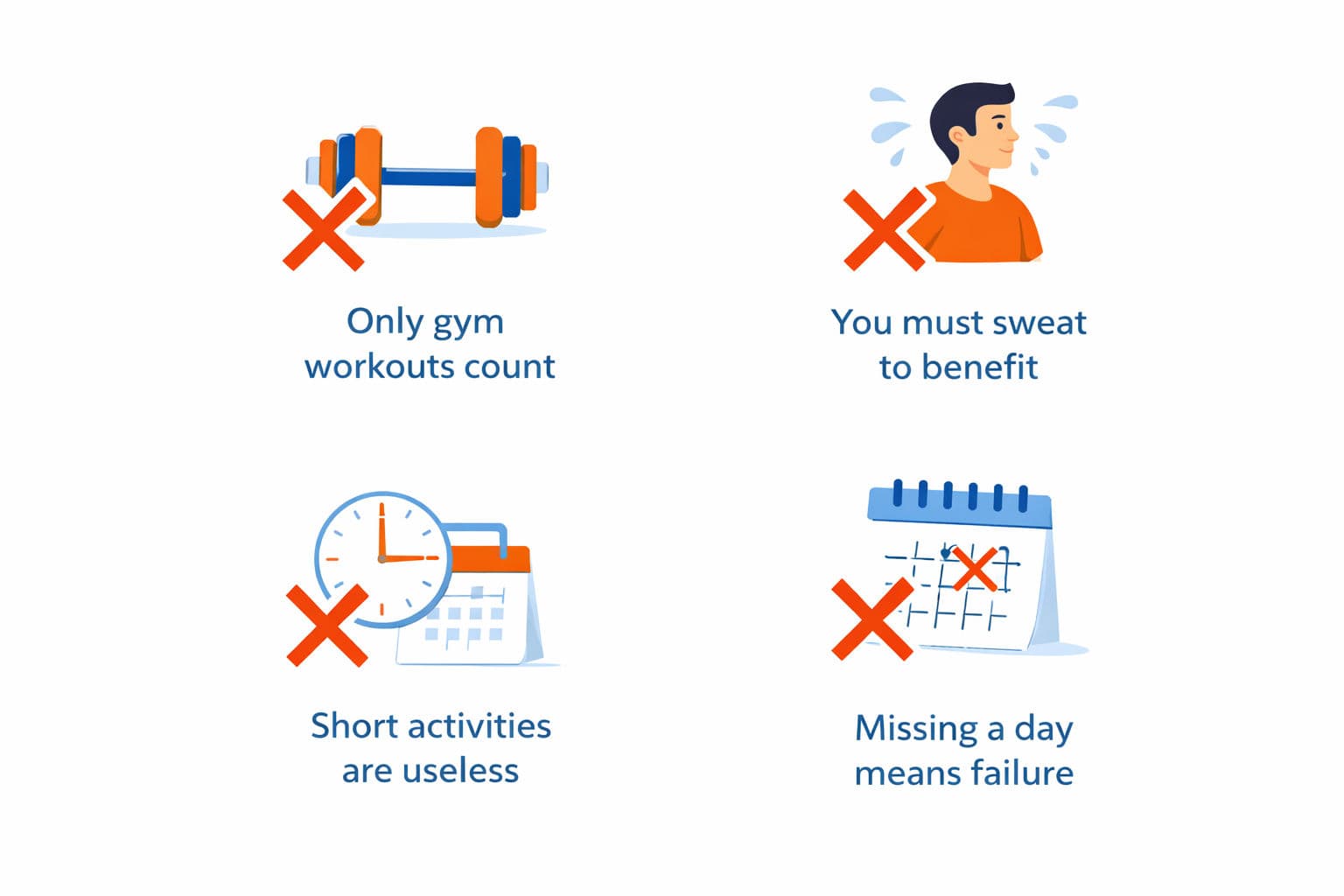
Many beliefs around activity create unnecessary pressure and make movement feel harder than it needs to be.
Clarifications:
- ✖ Only gym workouts count
- ✖ You must sweat to benefit
- ✖ Short activities are useless
- ✖ Missing a day means failure
In reality, small movements done consistently are powerful and create lasting benefits over time.
10. Activity as a Foundation Habit
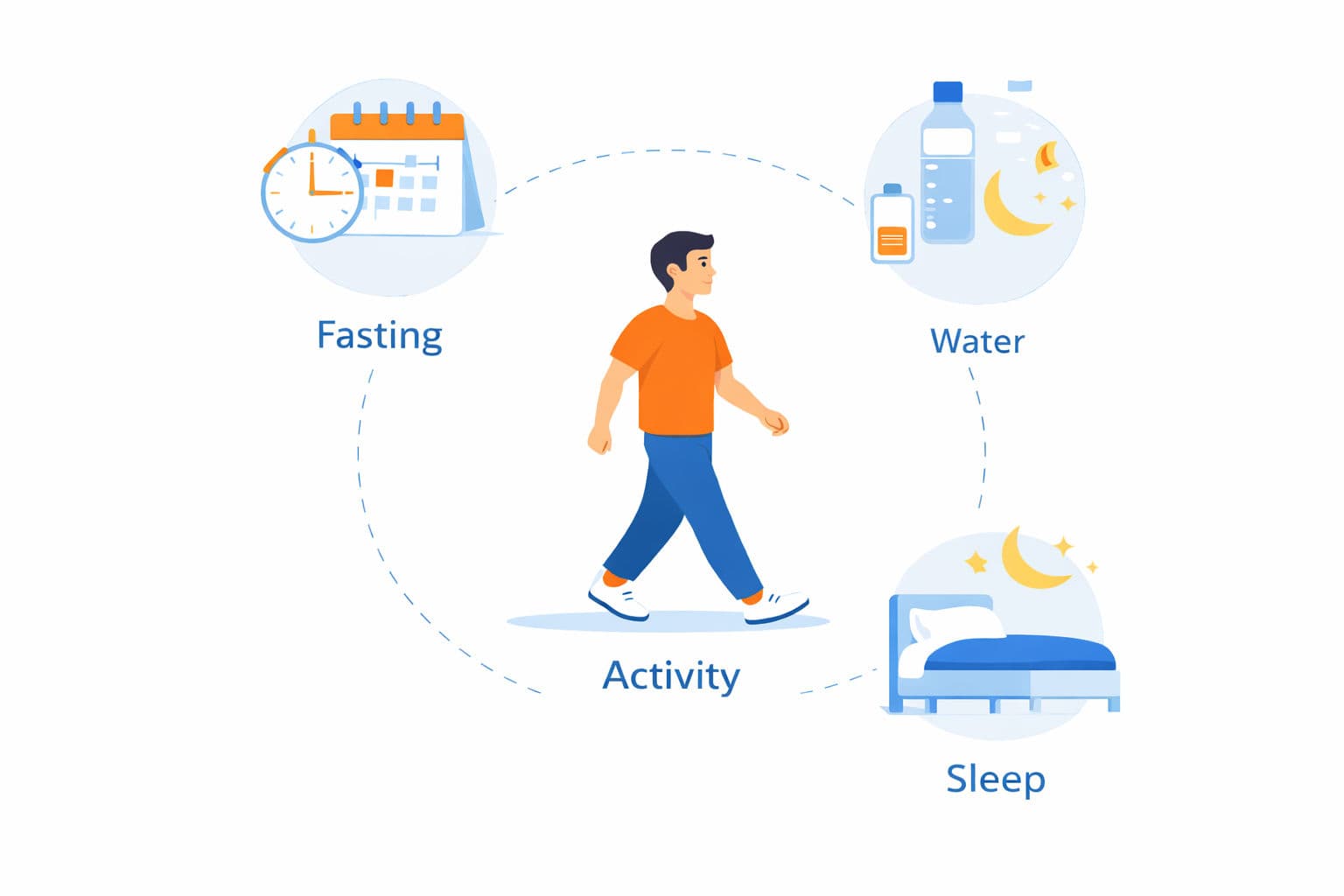
Activity supports many other healthy daily habits, making it a strong foundation for overall well-being.
Regular movement works alongside fasting, hydration, and good sleep by helping the body adapt, recover, and stay balanced.
When activity becomes a regular part of life, other healthy behaviors often feel easier to maintain and more natural over time.
This makes daily movement one of the most effective habits you can build for long-term health.
11. Creating a Sustainable Activity Mindset
Activity is not a challenge or a competition. It is a daily practice that supports your body over time.
Progress is built through gentle consistency, not perfection. Missing days or doing lighter movement does not erase the benefits you have already created.
Small, repeatable movements practiced daily can create meaningful health benefits across weeks, months, and years.
When activity feels supportive rather than demanding, it becomes a habit you can maintain for life.
Disclaimer
Disclaimer: This content is for general educational purposes only and does not replace medical advice. Individual activity needs, abilities, and limitations may vary.