1. Understanding Fasting
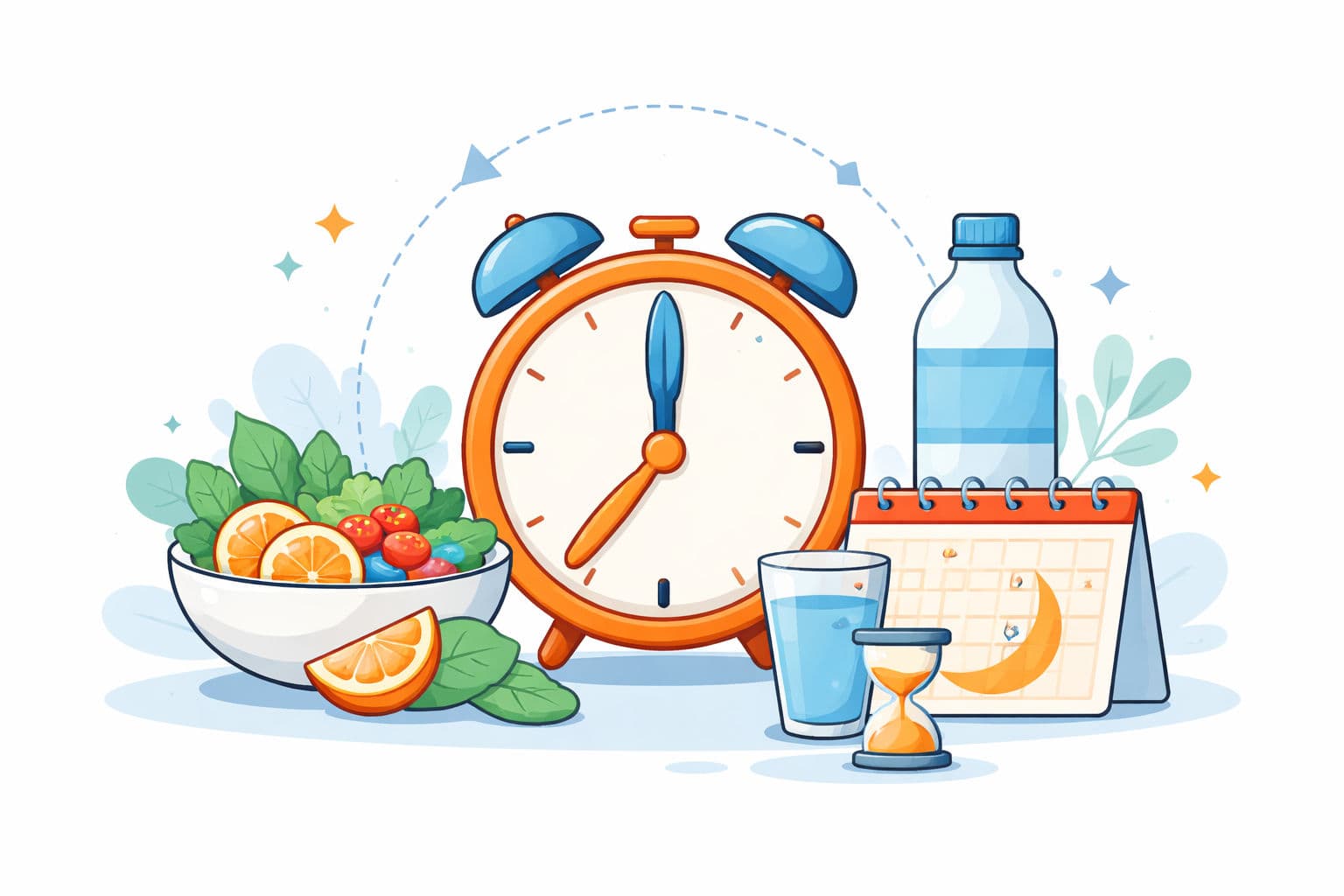
Fasting means taking a planned break from eating for a certain period of time. During this time, your body is not receiving energy from food, so it gradually begins to rely on stored energy.
Intermittent fasting focuses on when you eat, not on eliminating food or entire food groups.
Fasting is not the same as starving. Starvation is unintentional and prolonged deprivation of food, often accompanied by nutrient deficiencies and stress.
Fasting, when practiced responsibly, is intentional, time-bound, and paired with proper nourishment during eating windows.
Historically, fasting has been part of many cultures and traditions. In modern life—where food is available around the clock—fasting offers a structured way to give the digestive system regular breaks.
2. Why Fasting Matters in Modern Life
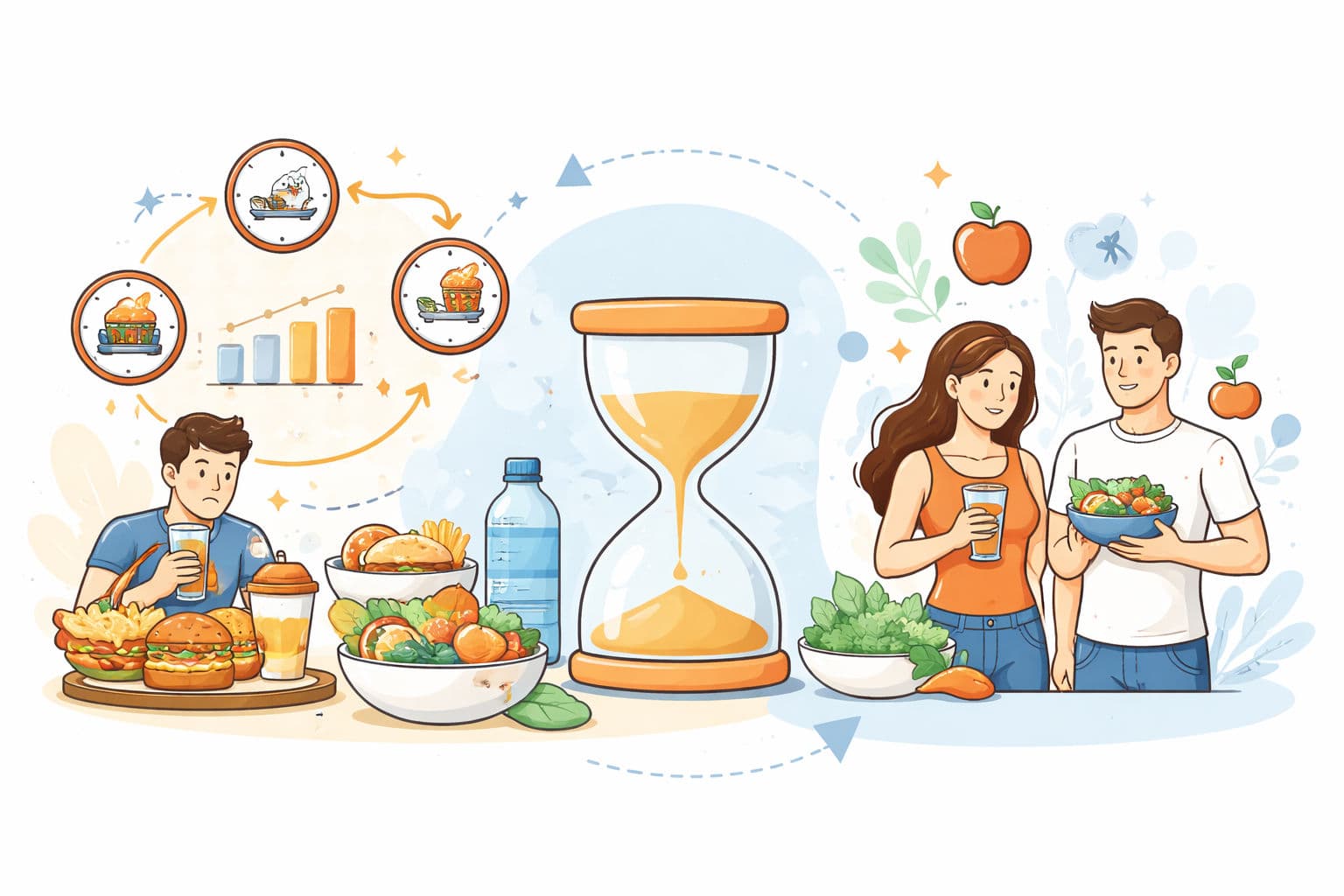
Modern eating patterns often involve frequent meals, snacks, and sugary drinks throughout the day. This constant intake keeps insulin levels elevated and leaves little room for the body to switch into stored-energy mode.
Intermittent fasting introduces intentional pauses between meals. These pauses allow the body to regulate energy more efficiently and help reduce habitual or emotional eating.
Rather than being a quick fix, fasting acts as a framework that encourages awareness around eating patterns and supports healthier decisions over time.
3. How the Body Uses Energy
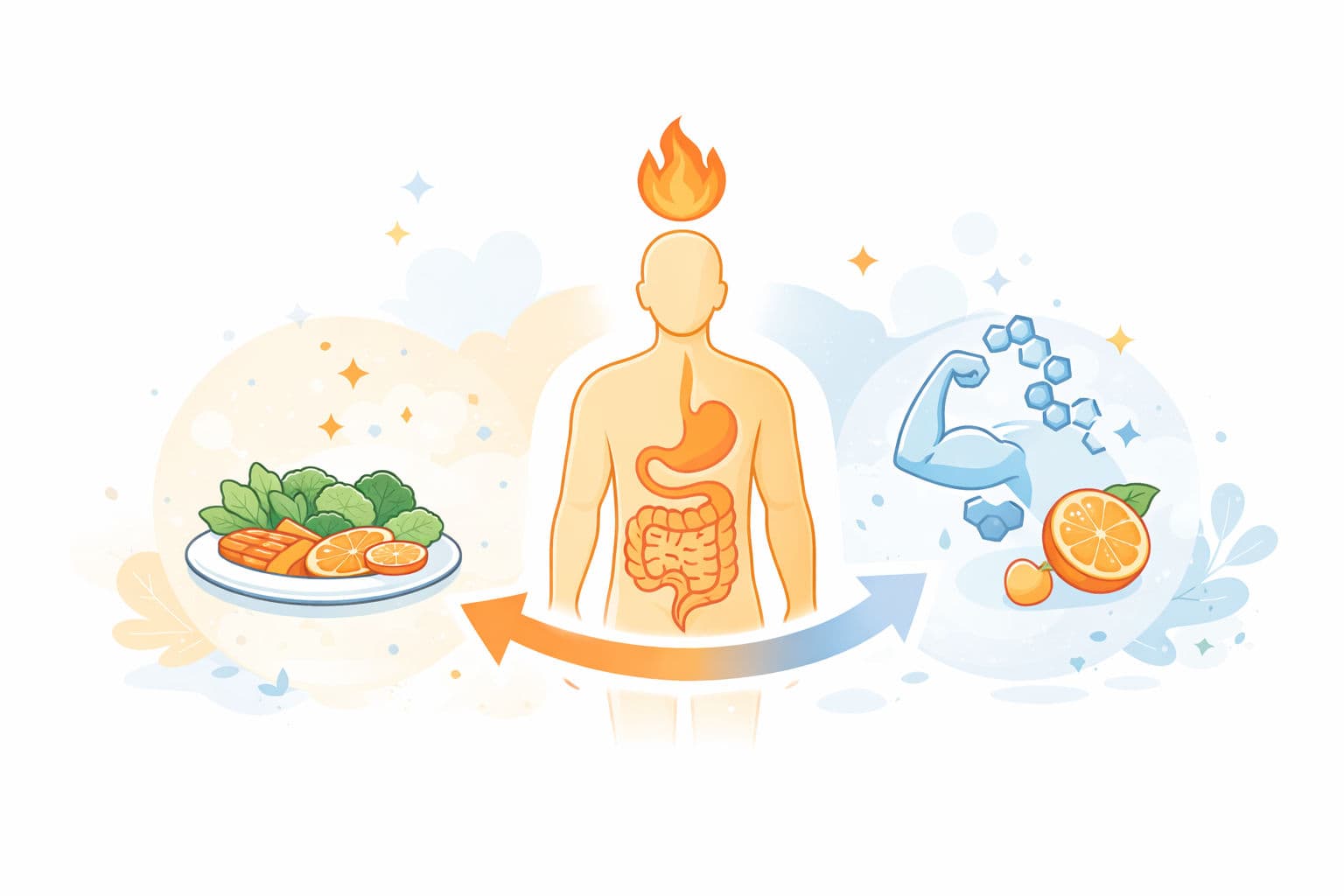
Your body primarily uses energy in two ways:
- Energy from recently consumed food
- Energy stored in the body, mainly as glycogen and fat
After eating, the body prioritizes energy from food. Any excess energy is stored for later use. During fasting, once food-derived energy is used, the body gradually shifts to using stored energy.
This transition can take time, especially for beginners. Understanding this process helps explain why hunger may appear early in a fast and why patience is important.
4. Benefits of Intermittent Fasting
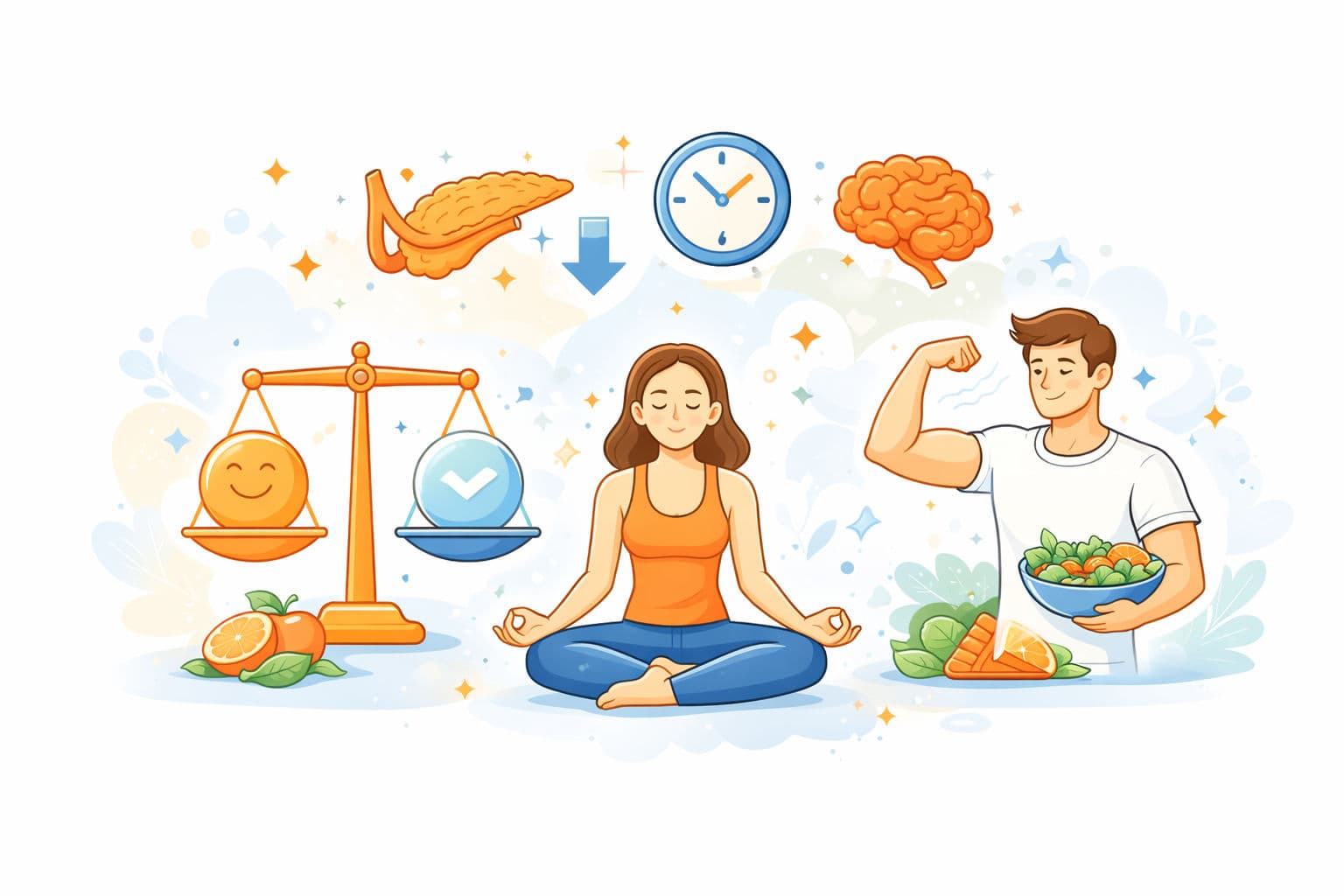
Intermittent fasting may support the body in several ways:
- Improved awareness of hunger and fullness
- Better insulin sensitivity
- Support for fat loss when combined with balanced nutrition
- Mental clarity and focus for some individuals
Benefits can vary from person to person. Fasting is not about achieving perfection but about creating conditions that encourage healthier habits over time.
5. Ketosis Explained
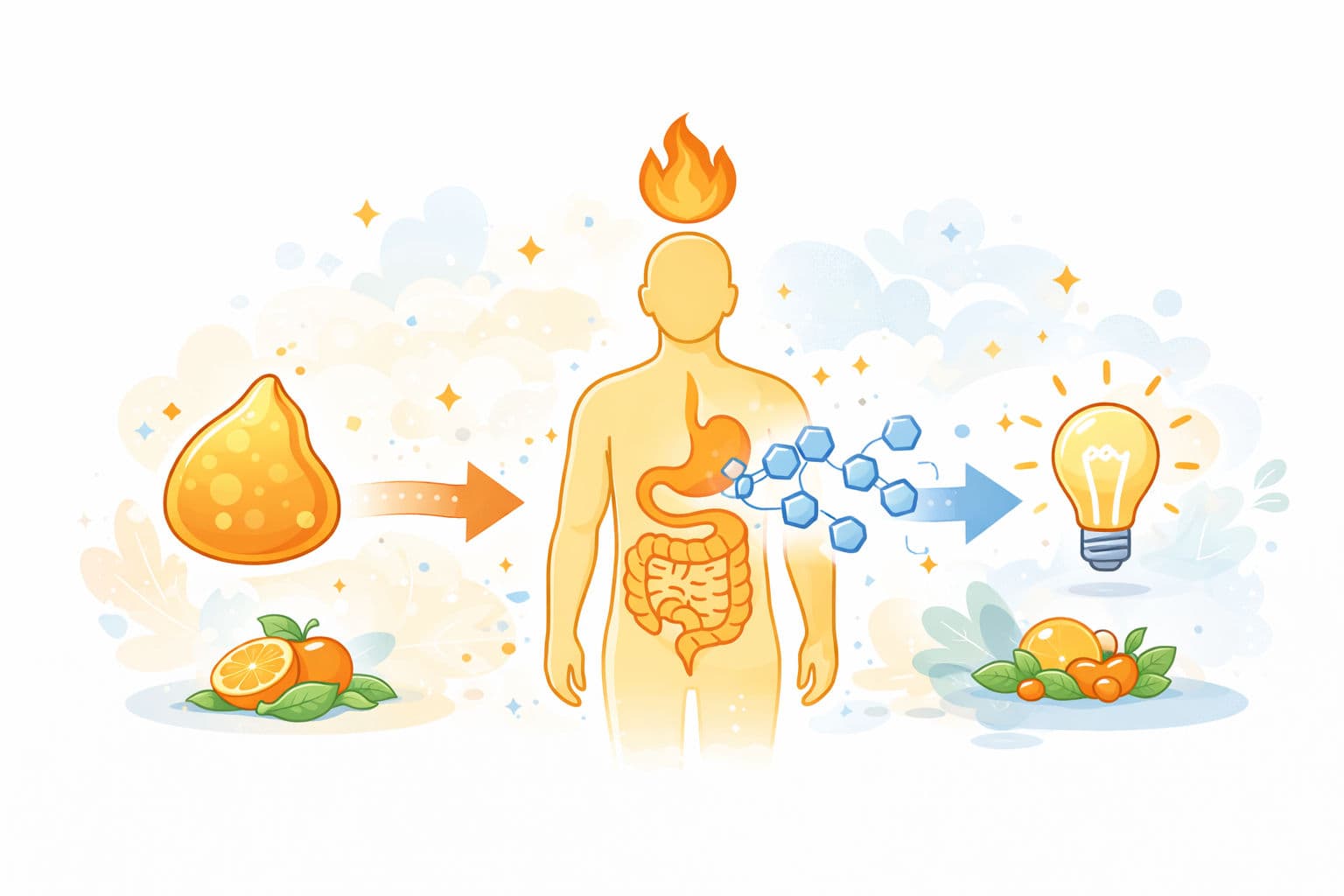
Ketosis is a metabolic state in which the body relies more heavily on fat for energy. During longer fasting windows, fat is broken down into ketones, which can be used as an alternative fuel source.
Ketosis often receives attention in fasting discussions, but it is not required for weight loss or general health improvements. Many people experience benefits without intentionally reaching ketosis.
The goal of intermittent fasting is sustainability, not chasing specific metabolic states.
6. Autophagy: Cellular Cleanup

Autophagy refers to the body’s natural process of breaking down and recycling old or damaged cell components. Research suggests this process may increase during longer fasting periods.
Autophagy can vary from person to person and is influenced by genetics, lifestyle, and overall health. It should be viewed as a possible benefit rather than a guaranteed outcome.
Daily fasting benefits do not depend on reaching autophagy.
7. The Importance of Eating Well During Feeding Windows

Fasting works best when paired with balanced, nourishing meals during your eating window. What you eat is just as important as when you eat.
A balanced meal typically includes:
- A good source of protein to support muscles and satiety
- Fiber-rich foods such as vegetables, fruits, or whole grains
- Healthy fats for sustained energy
- Adequate hydration
Eating well during feeding windows helps maintain energy, reduce extreme hunger during fasts, and support overall health.
8. Staying Hydrated During the Fasting Window
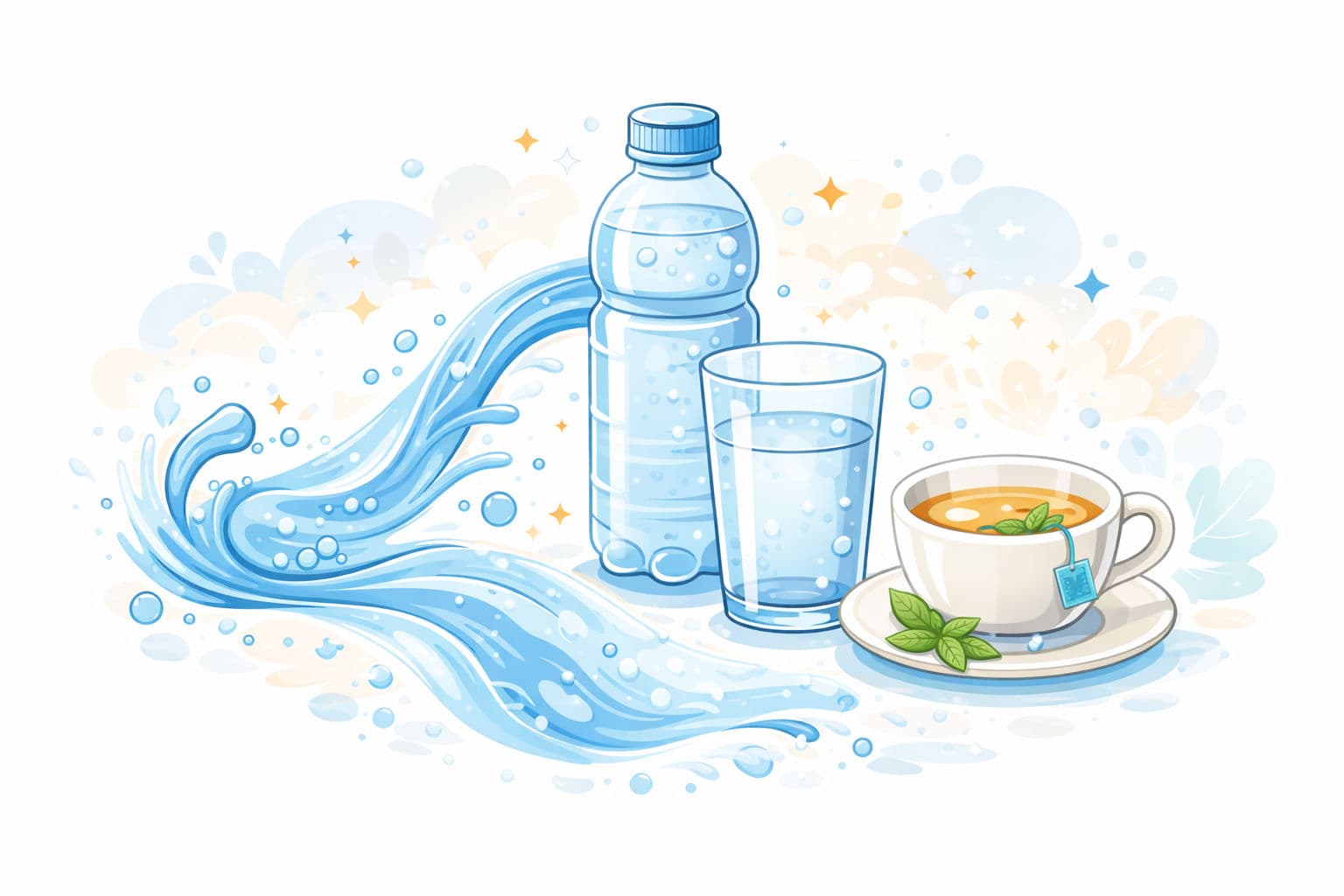
Hydration plays a critical role in making fasting safe, comfortable, and sustainable.
Why hydration matters:
- Supports normal bodily functions and circulation
- Helps manage hunger signals often mistaken for thirst
- Reduces chances of headaches, fatigue, and dizziness
- Supports digestion once the eating window begins
Water is the best choice during fasting. Herbal teas without sugar are also suitable.
Staying hydrated does not break a fast. Sipping water regularly is better than waiting until you feel thirsty.
9. Risks of Excessive or Improper Fasting
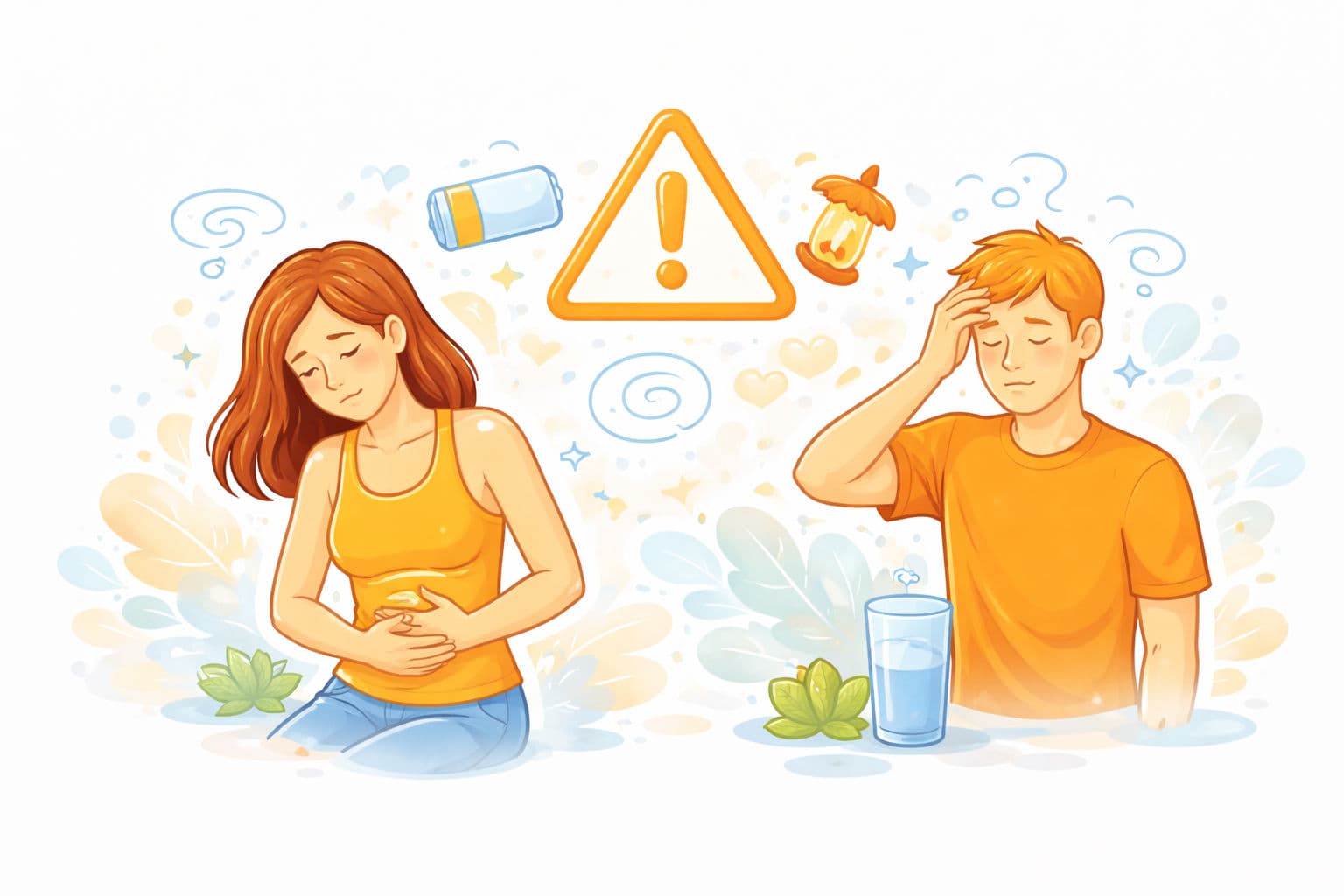
Fasting is not suitable for everyone. Excessive fasting or under-eating can lead to low energy, dizziness, irritability, or increased stress.
If fasting feels overwhelming, it is okay to shorten your fasting window or take breaks. Sustainable fasting should feel supportive, not punishing.
10. How to Start Intermittent Fasting (Step by Step)
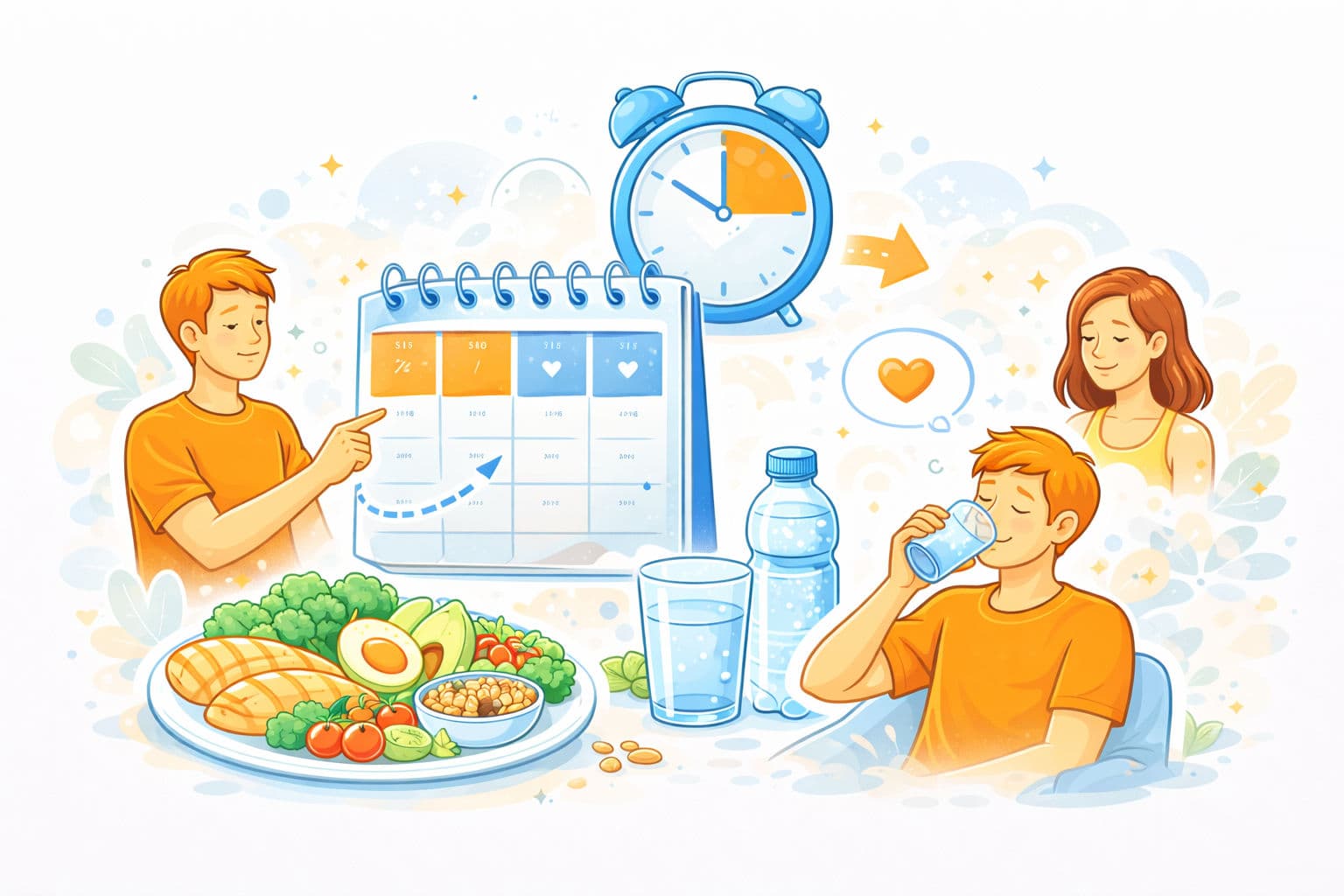
Starting intermittent fasting does not require extreme rules or long fasts. The most effective approach is gradual and flexible.
Step 1: Choose a manageable fasting window
Begin with 12:12 or 14:10 to help your body adjust.
Step 2: Pick an eating window that fits your routine
Select eating times that naturally fit your work, family, and sleep schedule.
Step 3: Eat balanced meals
Prioritize protein, fiber, healthy fats, and hydration.
Step 4: Stay hydrated
Drink water regularly during fasting hours.
Step 5: Adjust based on how you feel
Shorten your window or rest if you feel overly fatigued or stressed.
Intermittent fasting is a practice, not a challenge. Progress comes from consistency and flexibility over time.
11. Stages of Fasting
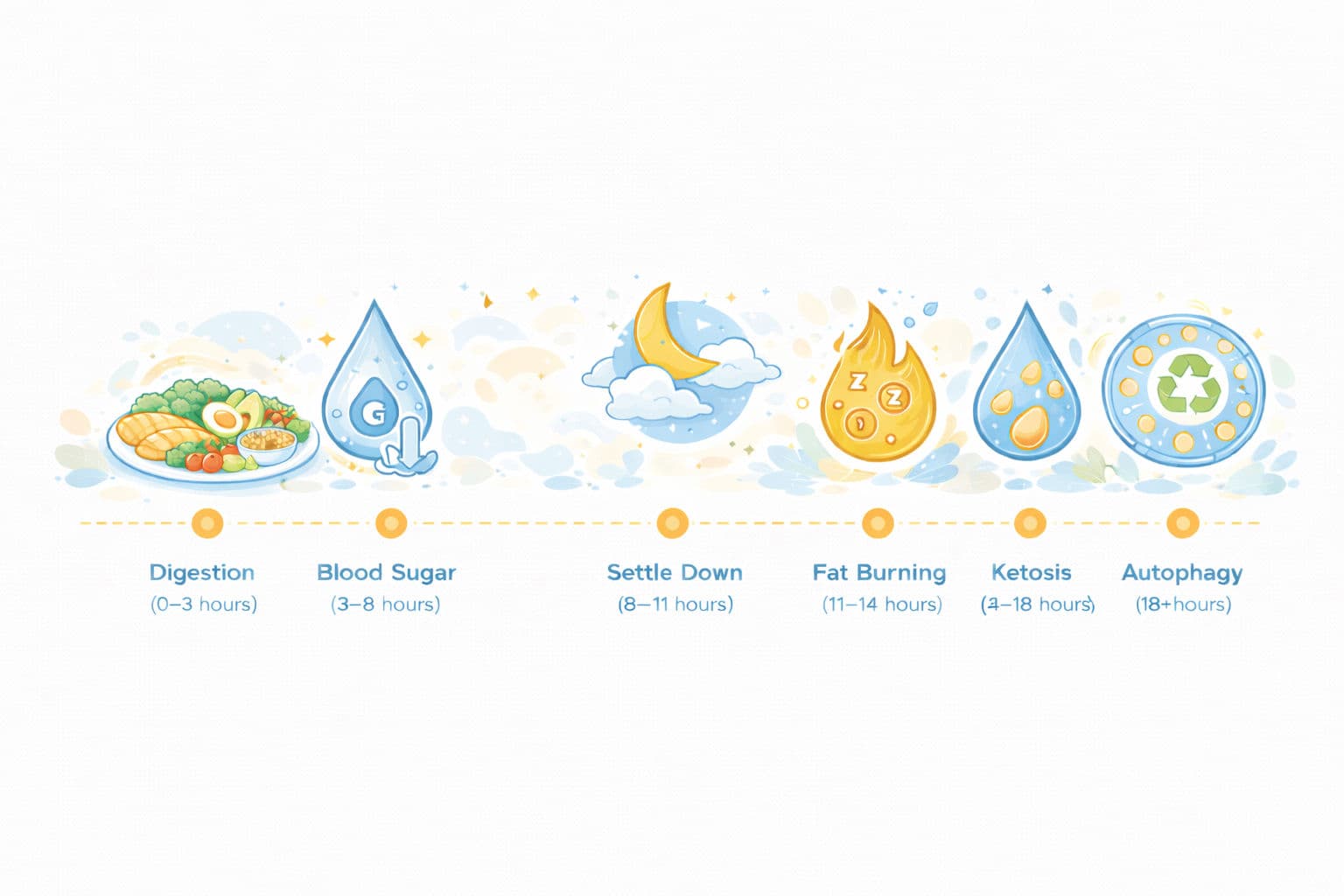
Fasting stages describe how the body transitions from digesting food to using stored energy. These stages vary between individuals.
Digestion (0–3 hours)
What happens: Body digests food and absorbs nutrients.
Insulin: Insulin rises; fat burning is minimal.
Blood Sugar Drops (3–8 hours)
What happens: Body uses stored glucose to maintain blood sugar.
Insulin: Insulin begins to fall.
Settle Down (8–11 hours)
What happens: Glucose decreases; body transitions gradually.
Fat Burning (11–14 hours)
What happens: Body increasingly uses stored fat.
Ketosis (14–18 hours)
What happens: Fat becomes primary fuel; ketones increase.
Autophagy (18+ hours)
What happens: Longer fasts may stimulate cellular cleanup.
12. Understanding Calorie Deficit
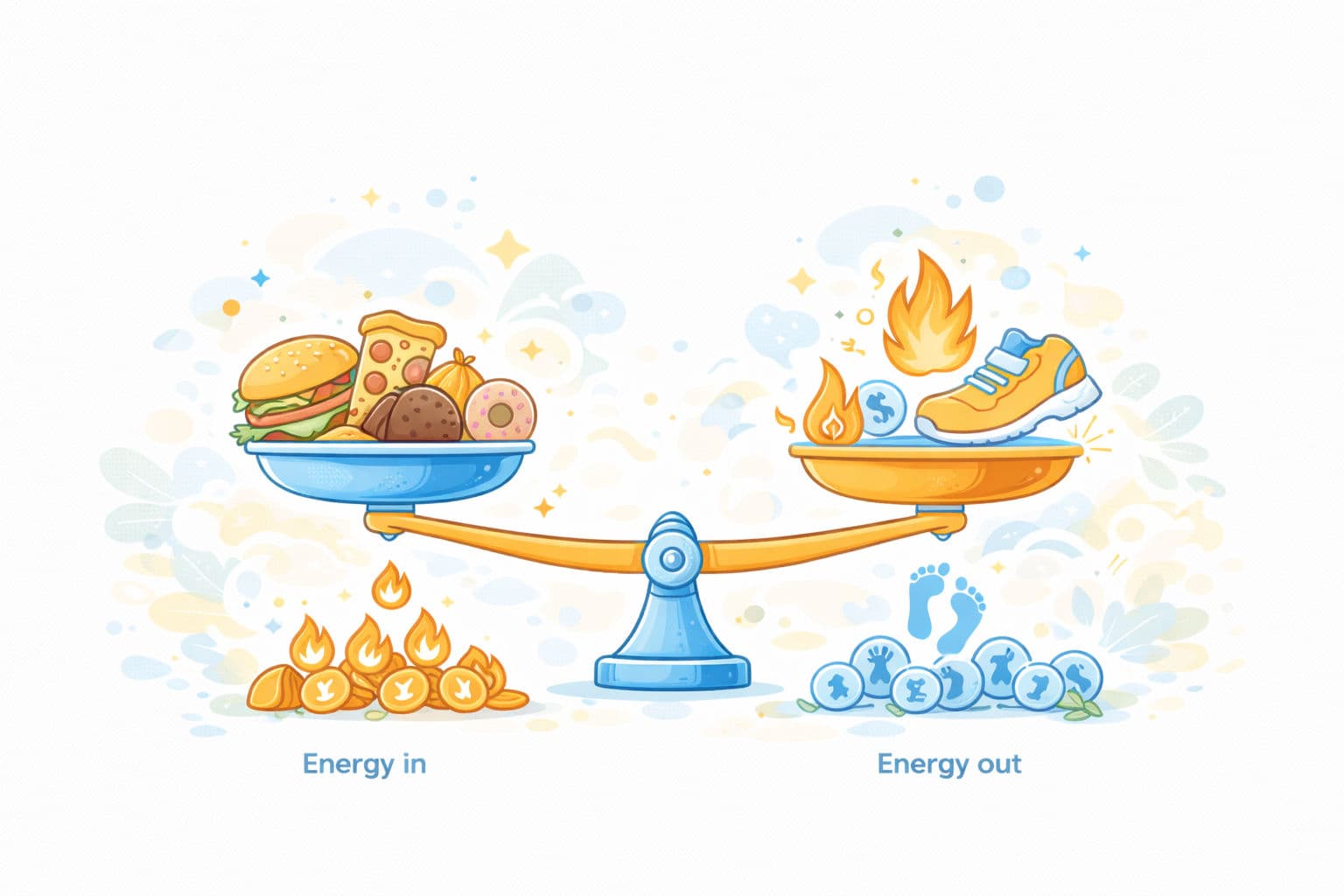
A calorie deficit occurs when your body uses more energy than it receives from food. This is necessary for fat loss.
To lose 1 kg of body fat, you need a deficit of about 7,700 calories — usually built gradually over days or weeks.
Small daily deficits, maintained consistently, add up to meaningful change.
Intermittent fasting can support a calorie deficit, but food choices and portion balance still matter.
13. Weight Loss Expectations (Reality Check)
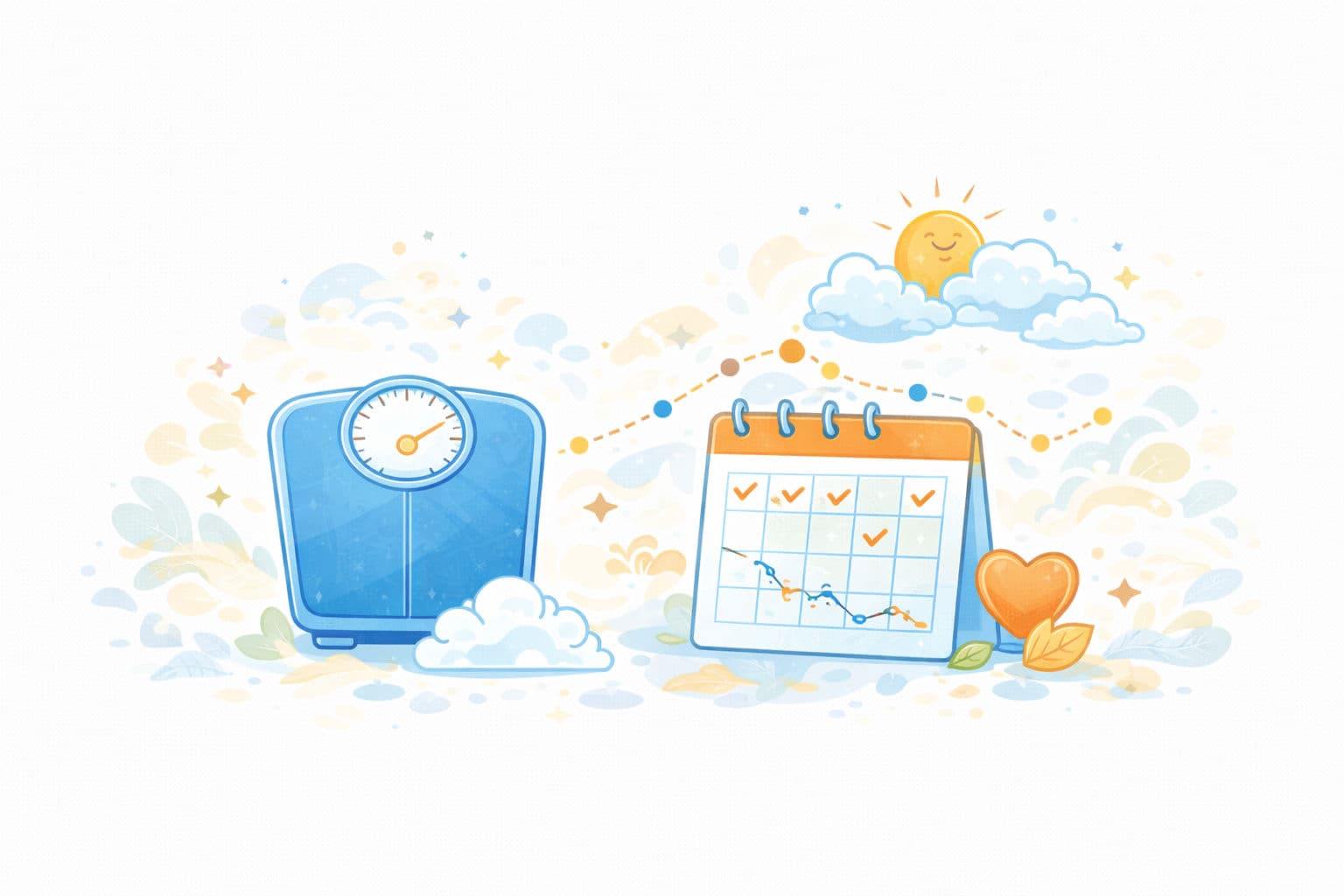
Healthy weight loss is gradual and varies between individuals. Factors such as metabolism, lifestyle, sleep, and stress all play a role.
Small consistent calorie deficits create steady trends over time.
Daily weight fluctuations do not reflect real fat changes — they are influenced by hydration, hormones, digestion, and activity.
Focus on long-term progress, not day-to-day scale changes.
14. Role of Light Exercise in Fat Loss

Light exercise complements fasting by supporting fat usage, improving mood, and helping preserve muscle.
Walking, stretching, yoga, or light strength training are often sufficient when combined with consistent fasting.
Movement does not need to be intense — regular, enjoyable activity is more sustainable than occasional intense workouts.
15. Common Myths About Intermittent Fasting
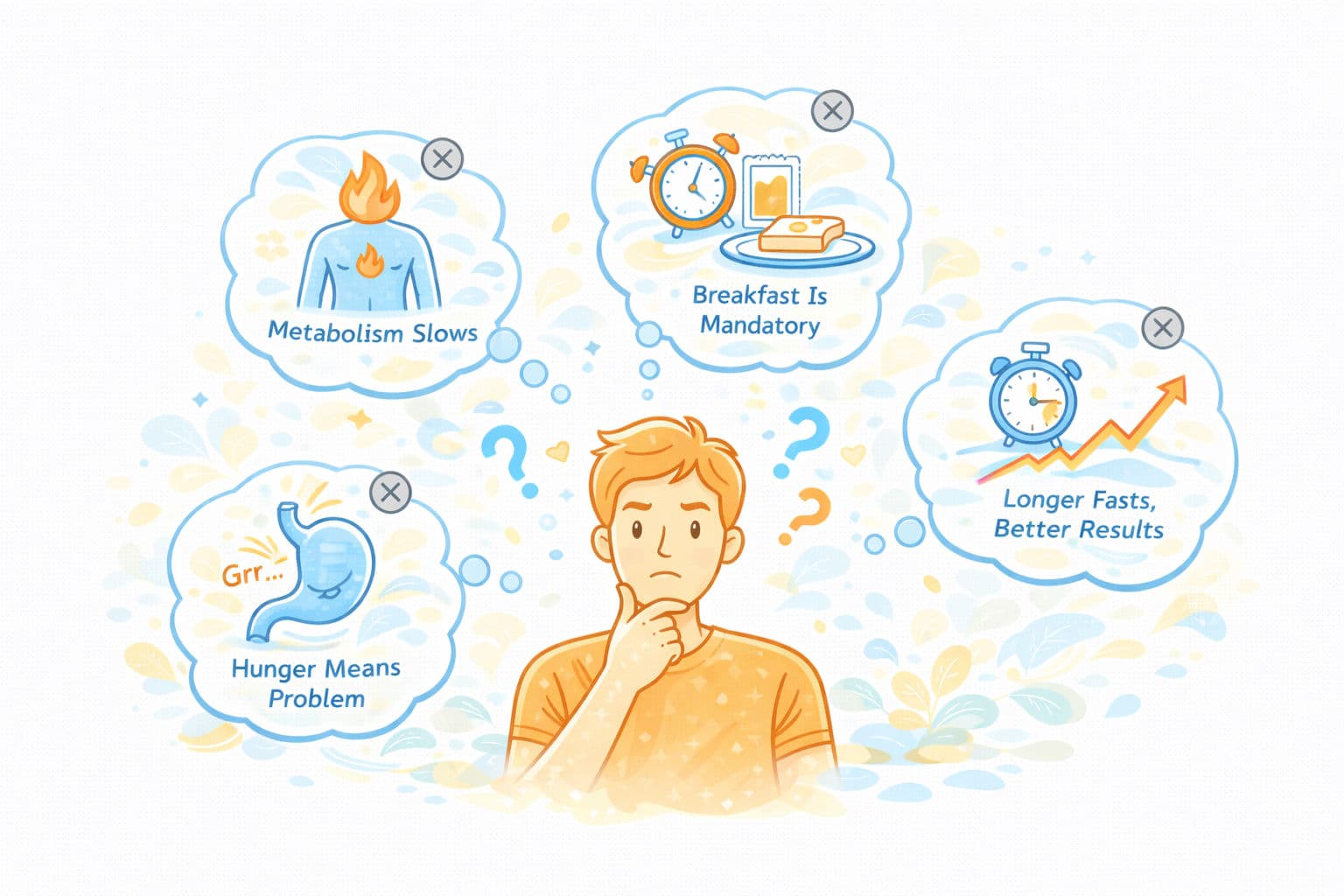
There are many misconceptions around intermittent fasting. Understanding these myths can help set realistic expectations.
- Fasting slows metabolism for everyone
- Skipping breakfast is unhealthy for all people
- Longer fasting always leads to better results
- Hunger during fasting means something is wrong
- Fasting works the same way for everyone
In reality, fasting is flexible and should be adapted to individual lifestyles. Consistency matters more than strict rules.
16. Building a Sustainable Fasting Lifestyle

Sustainable fasting focuses on habits you can maintain long-term. This includes flexibility, patience, and adapting fasting to your daily life.
Consistency matters more than perfection. Even small efforts add up over time.
Adjusting windows, taking breaks, and listening to your body are part of a healthy fasting lifestyle.
17. Motivation & Perspective
“We are what we repeatedly do. Excellence, then, is not an act, but a habit.”
— Aristotle
Intermittent fasting is not about willpower alone. It is about building small, repeatable habits that support your health one day at a time.
Disclaimer
Disclaimer: This information is for general educational purposes only. Individual responses to fasting vary. If you have health concerns or medical conditions, consider consulting a qualified healthcare professional.