1. Why Water Matters
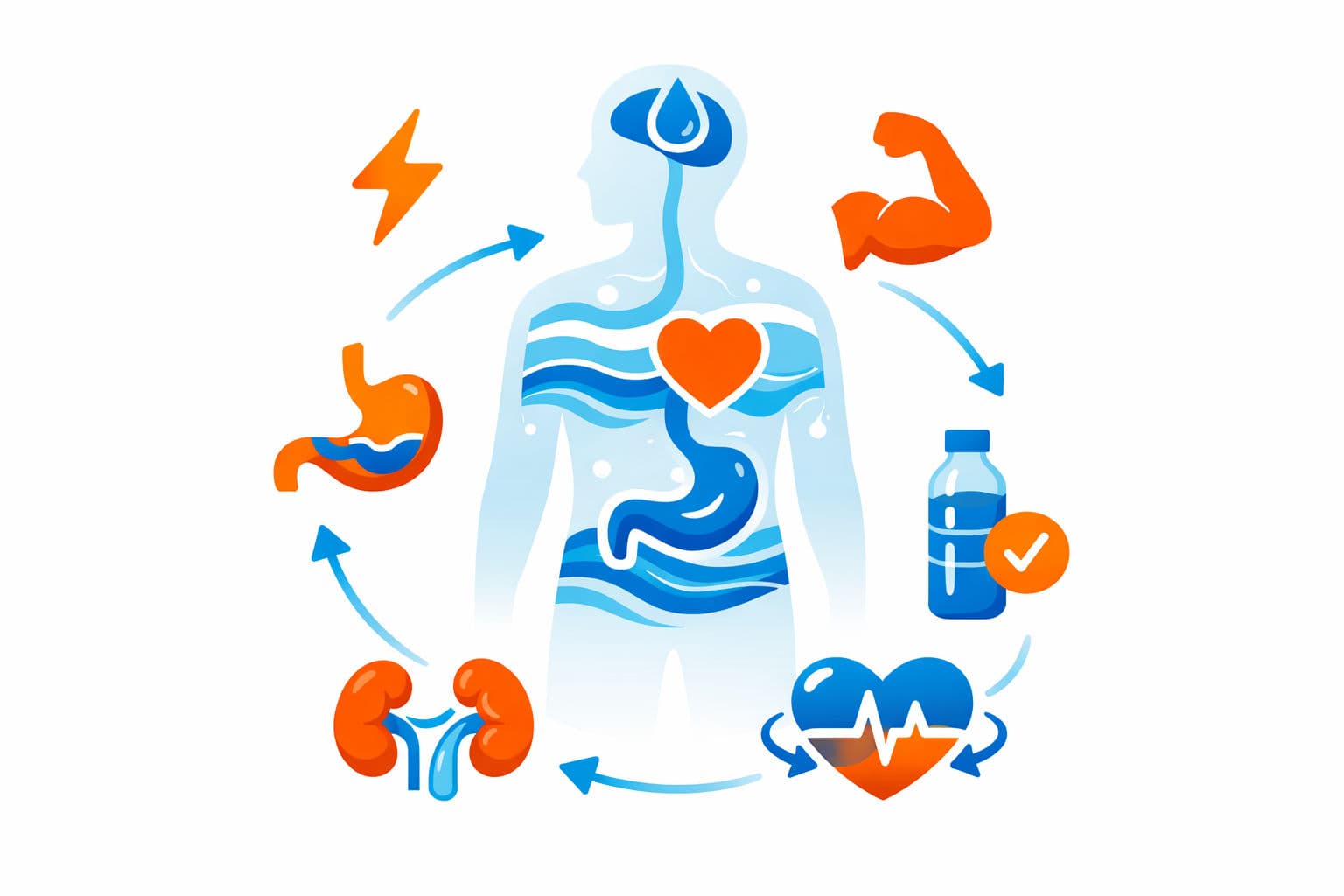
Water is essential for nearly every process in your body. It helps regulate body temperature, transport nutrients, support digestion, lubricate joints, and remove waste.
Even mild dehydration can impact energy, focus, mood, and physical performance, often without obvious warning signs.
When you stay well hydrated, your body functions more efficiently. Blood circulation improves, nutrients move more easily, and oxygen delivery to cells becomes more effective.
Proper hydration also supports metabolism, recovery, and overall balance, making it one of the most important and foundational daily health habits.
Unlike food, your body cannot store large amounts of water, which is why consistent hydration throughout the day is more effective than drinking a large amount at once.
2. Understanding Hydration
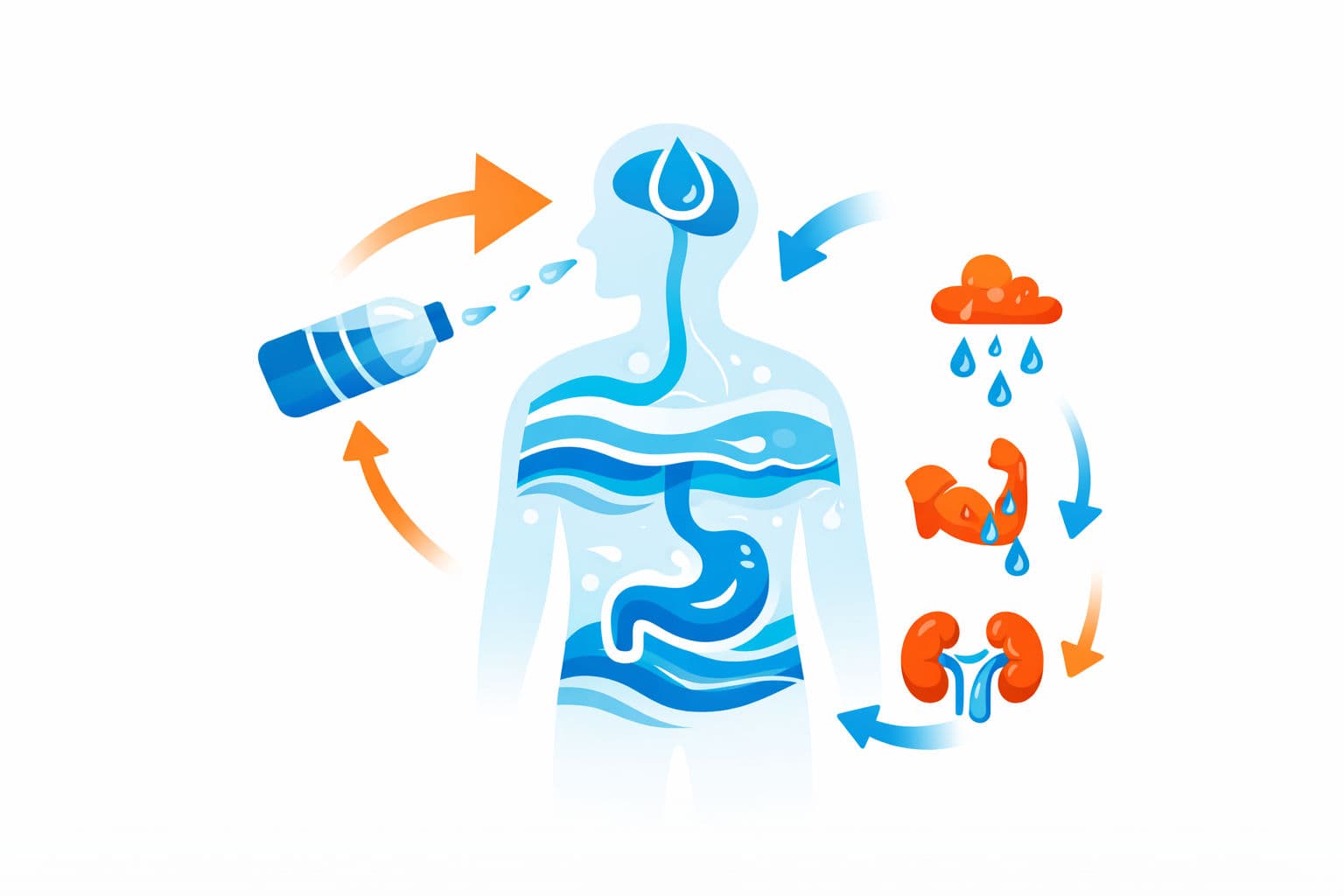
Hydration means maintaining the right balance of fluids in your body. Your body constantly loses water through breathing, sweating, digestion, and urine, which means hydration needs to be replenished regularly.
Thirst is not always the first sign of dehydration. By the time you feel thirsty, your body may already be slightly dehydrated.
This is why consistent water intake throughout the day is more effective than drinking large amounts at once. Regular hydration helps maintain balance without placing stress on the body.
Key ideas:
- Hydration is a continuous process
- Small, frequent sips are more effective
- Consistency matters more than volume in one sitting
3. How the Body Uses Water
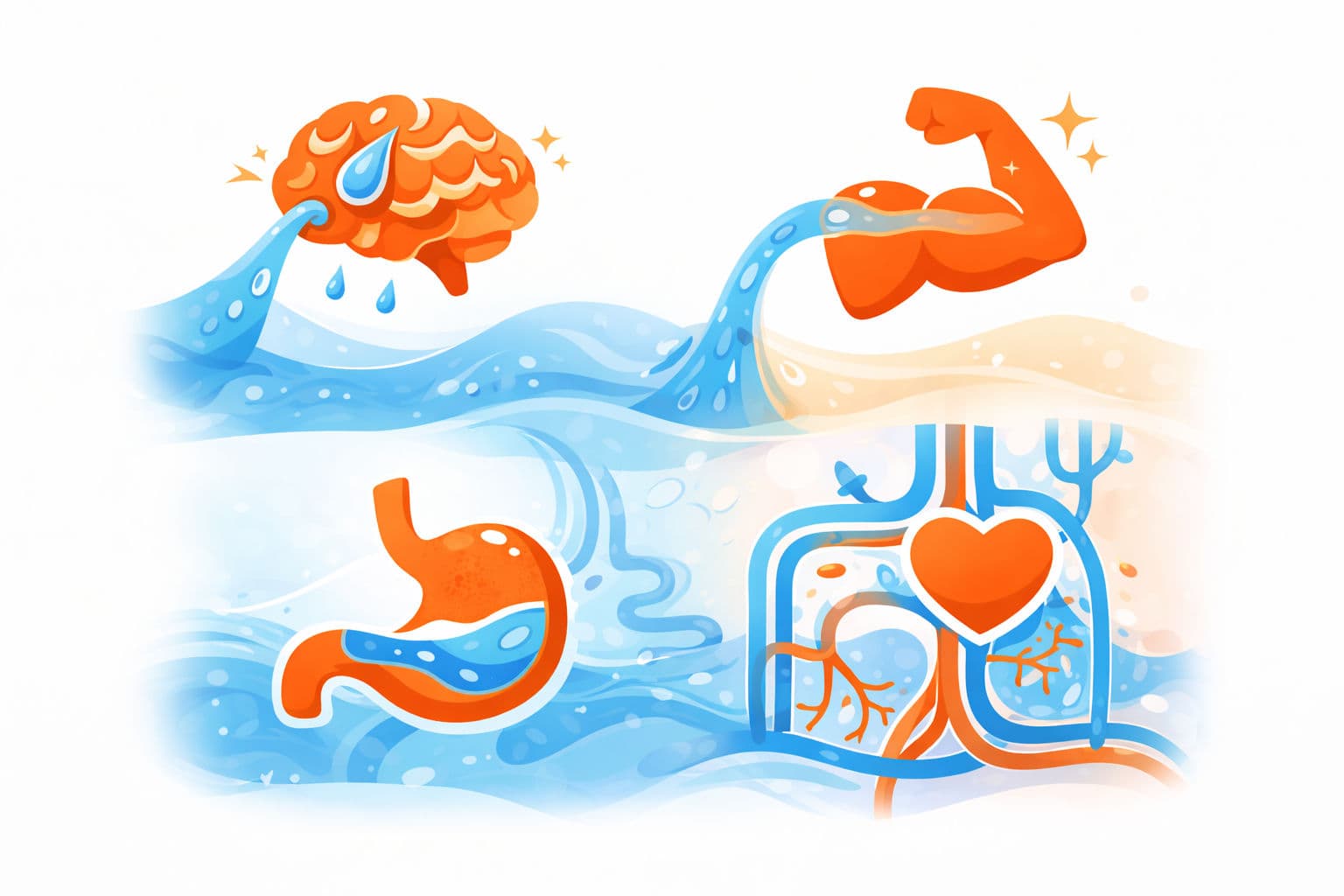
Every cell in your body depends on water to function properly. Water helps carry oxygen and nutrients through the bloodstream, allowing cells to produce energy and perform daily repair processes.
Inside cells, water supports countless chemical reactions that keep your body balanced, active, and responsive. It also helps keep tissues flexible and joints moving smoothly.
Water plays a major role in digestion by helping break down food and move nutrients through the digestive tract. It supports saliva production, stomach processes, and intestinal movement.
Without adequate hydration, digestion can slow down, which may lead to discomfort, bloating, or feelings of fatigue. Staying hydrated helps keep digestion smooth and efficient.
4. Hydration and Energy Levels
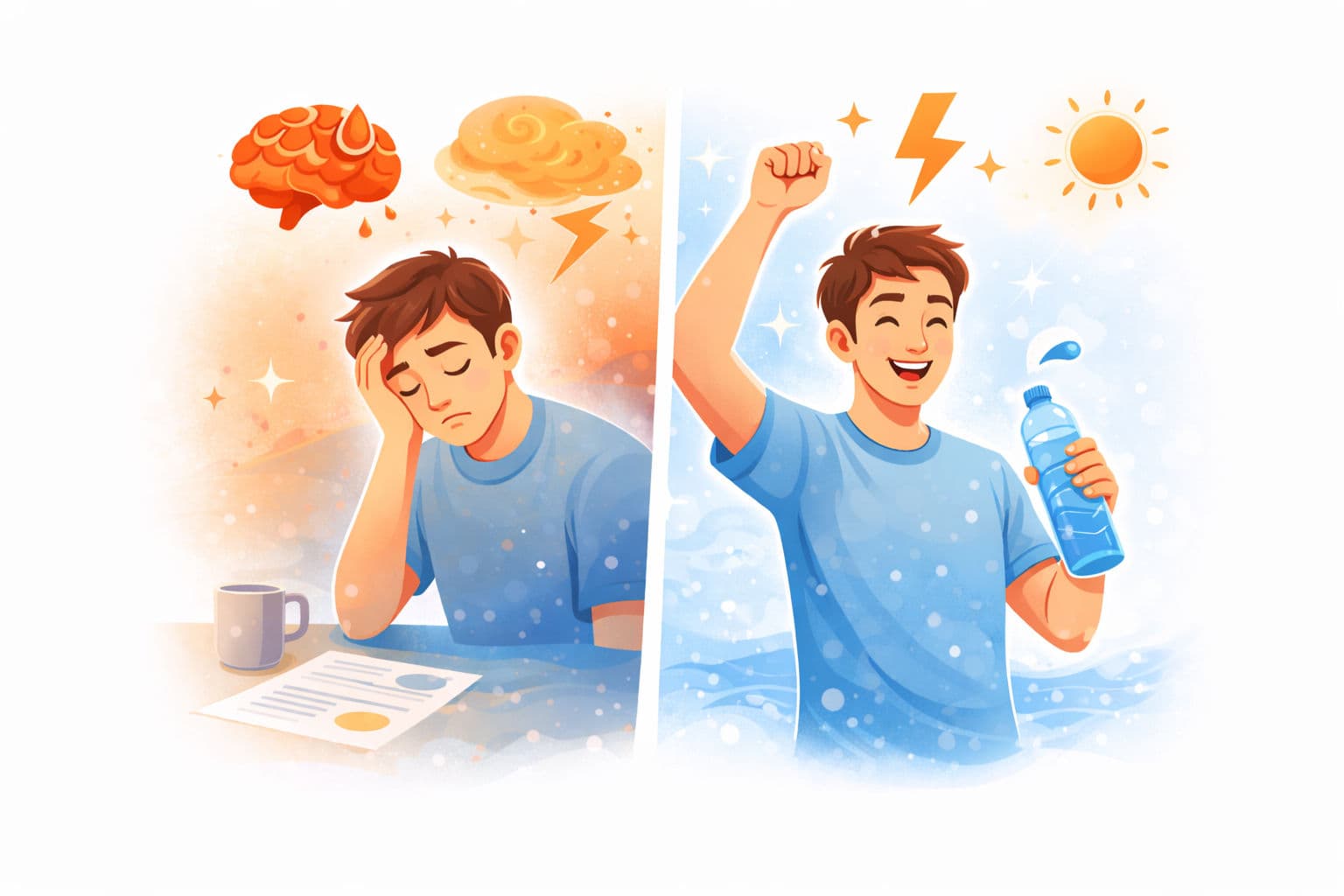
Dehydration is a common but often overlooked cause of low energy. When fluid levels drop, blood volume decreases slightly, making it harder for the body to deliver oxygen and nutrients efficiently.
This can result in tiredness, brain fog, reduced focus, or headaches, even if you are eating and sleeping well.
Regular water intake helps maintain healthy circulation and supports steady energy production throughout the day.
Staying hydrated also supports mental clarity, helping you stay focused, alert, and productive without relying on stimulants.
5. Hydration During Fasting
During fasting, your body does not receive water from food, which makes hydration especially important. Drinking water during a fast does not break a fast and helps reduce discomfort.
Hunger signals during fasting are often confused with thirst. Staying hydrated can help manage these sensations and make fasting feel more comfortable and sustainable.
Recommended options during fasting:
- Plain water
- Warm water
- Mineral water
- Unsweetened herbal tea
6. Signs and Effects of Dehydration
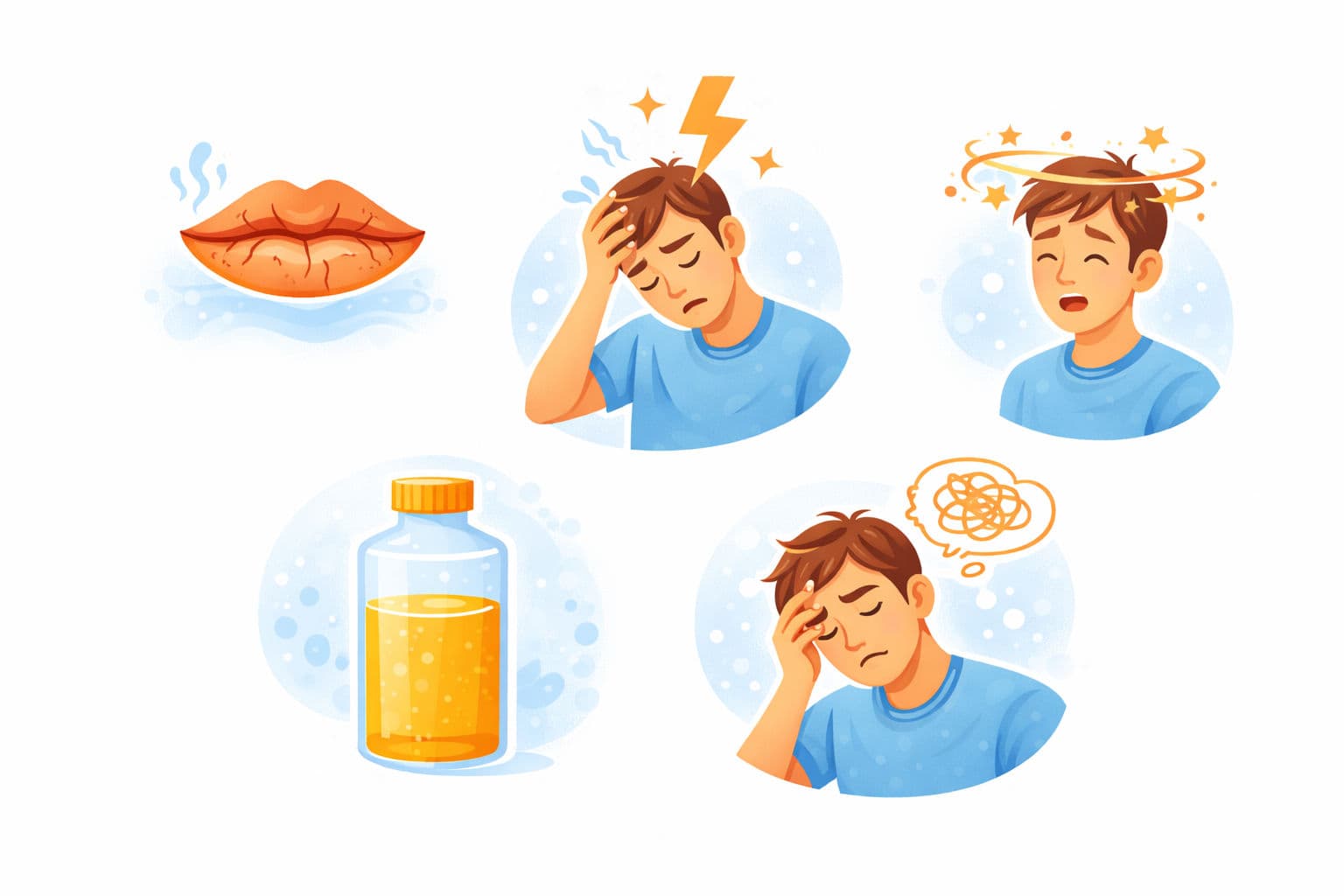
Dehydration can appear gradually and may not always feel intense at first. Recognizing early signs helps prevent larger issues later in the day.
Common signs include:
- Dry mouth or lips
- Headaches
- Fatigue or dizziness
- Dark yellow urine
- Difficulty concentrating
Prolonged dehydration can affect digestion, mood, and physical performance, making daily tasks feel more difficult and tiring.
7. How Much Water Do You Need?
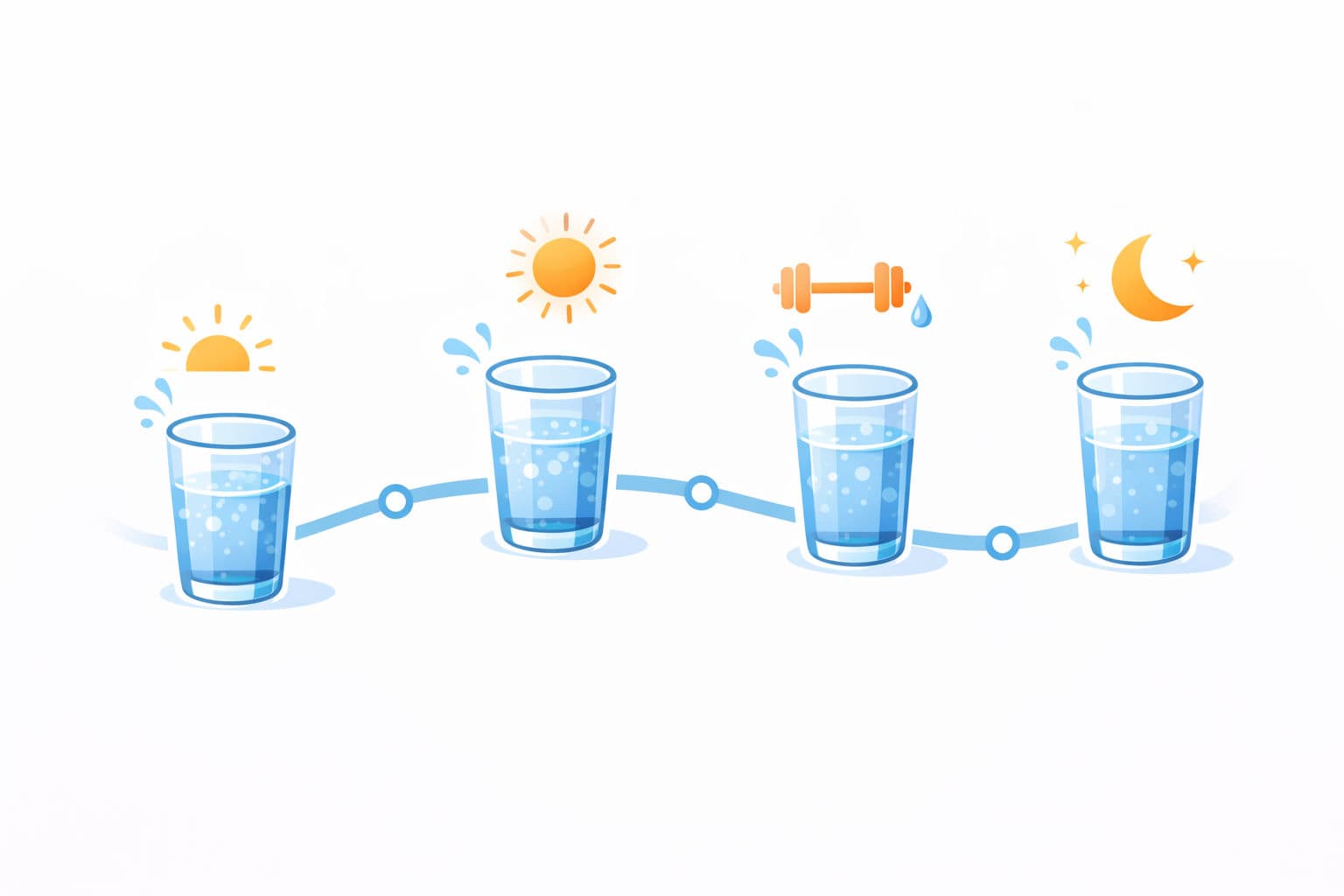
There is no single perfect amount of water that fits everyone. Hydration needs vary based on body size, weather, activity level, and diet.
Instead of aiming for a strict number, focus on regular intake and listening to your body. Light-colored urine is often a simple indicator of adequate hydration.
General guidance:
- Drink consistently across the day
- Increase intake in hot weather or during physical activity
- Adjust based on how your body feels
8. Building a Daily Hydration Habit
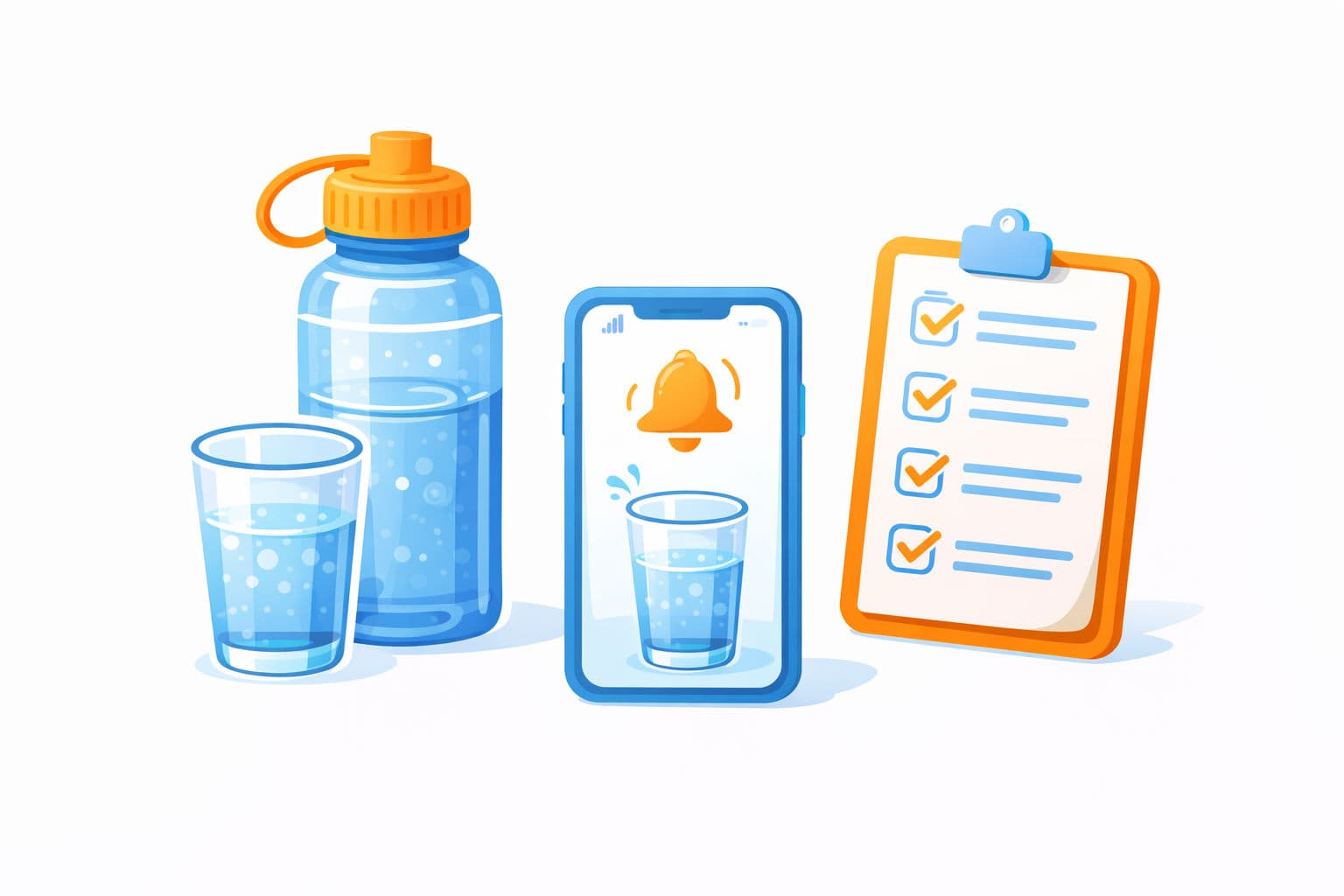
Hydration becomes easier when it is built into your routine. Simple habits reduce the need for constant reminders or detailed tracking.
Instead of relying on motivation, linking water intake to daily activities makes hydration feel natural and effortless.
Practical strategies:
- Start your day with a glass of water
- Drink water before meals
- Keep a reusable bottle nearby
- Sip regularly instead of waiting for thirst
Consistency over time is what creates lasting hydration habits and makes staying hydrated feel automatic rather than forced.
9. Hydration Myths Explained
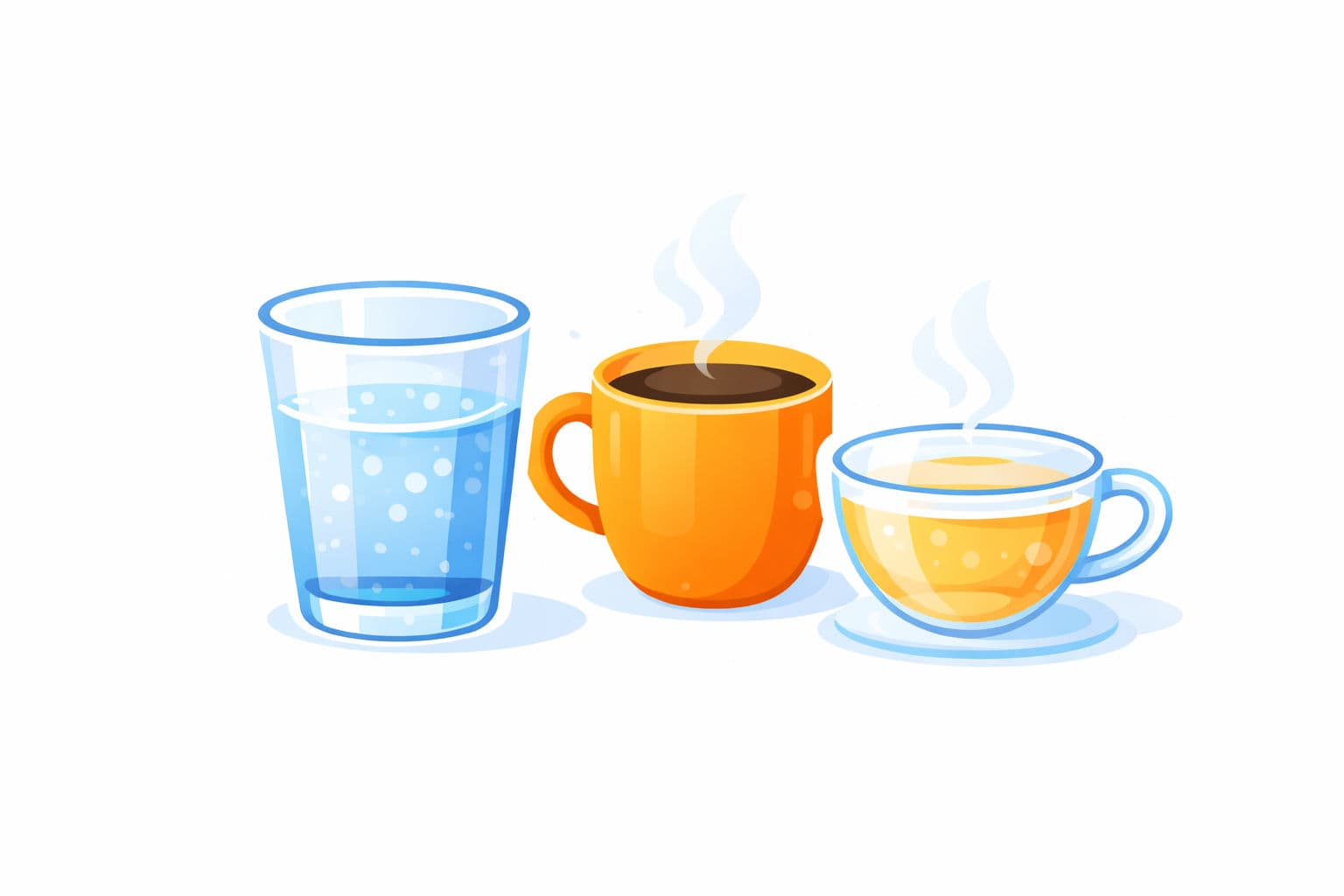
Many hydration myths create unnecessary pressure or confusion. These myths often make hydration feel complicated when it doesn’t need to be.
Clarifications:
- You do not need to force excessive amounts of water
- Thirst is not the only hydration signal
- Coffee and tea do not cancel hydration and can still contribute to daily fluid intake
Understanding these facts helps create a relaxed and sustainable approach to hydration, without unnecessary rules or stress.
10. Hydration and Overall Health
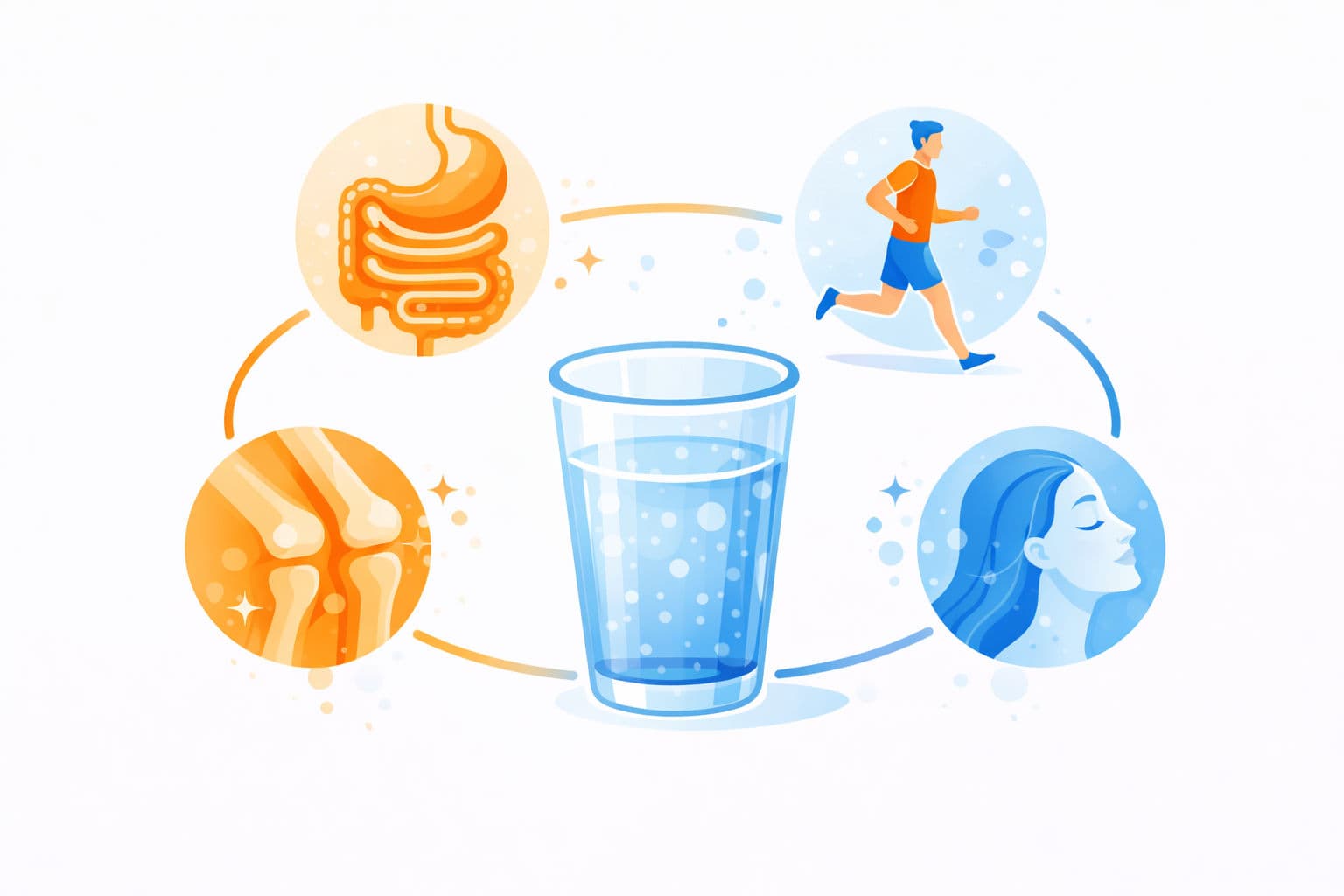
Good hydration supports digestion, joint comfort, skin health, circulation, and temperature regulation. These systems rely on water to function smoothly and efficiently.
Staying well hydrated also complements fasting, balanced eating, and regular physical activity by helping the body adapt and recover more effectively.
Hydration acts as a foundation habit, making other healthy behaviors easier to maintain and more effective over time.
11. Creating a Sustainable Hydration Mindset
Hydration is not a challenge or a competition. It is a daily practice built through awareness, flexibility, and consistency over time.
Missing a goal occasionally is normal and does not undo progress. What matters most is returning to supportive habits without guilt or pressure.
Small, repeatable actions around water intake can create meaningful health benefits when practiced consistently over days, weeks, and months.
Disclaimer
Disclaimer: This content is for general educational purposes only and does not replace medical advice. Individual hydration needs may vary.